

How Riding a Bike Can Improve Your Mood, Mind, and Overall Well-Being

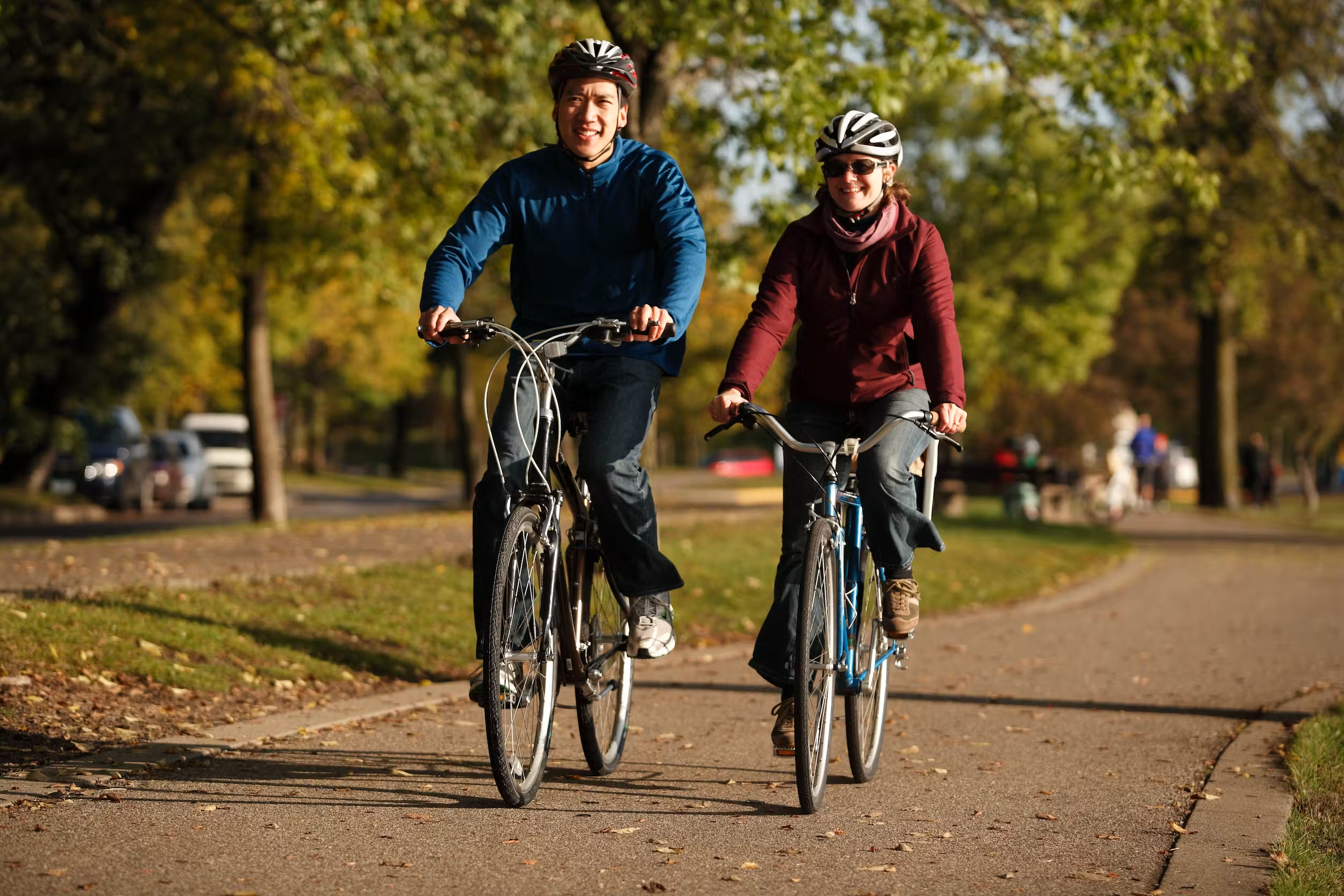
A recent scientific review has highlighted that riding a bicycle can improve mood and cognitive function. The study, published in the journal Frontiers in Sports and Active Living, was conducted by the organization Outride in collaboration with researchers from University of Oklahoma, Loma Linda University, and other institutions.
The review, coordinated by Lauren Schuck and her multidisciplinary team, synthesizes findings from 87 different studies on cycling interventions conducted across 19 countries. Their analysis reveals that cycling has a much broader potential than previously documented for physical health, especially through outdoor and multi-session programs.
The studies included participants of all ages, from children and adolescents to older adults, and involved both healthy populations and individuals with conditions such as Parkinson’s disease, Alzheimer’s disease, depression, and developmental disabilities. In all cases, cycling produced positive effects on psychological, social, emotional, and cognitive well-being.
One hundred percent of the studies identified improvements such as stronger support networks, reduced loneliness, and a greater sense of belonging. On a psychological level, 67% found a positive impact on mental health, particularly in programs lasting several weeks.
“This study demonstrates that going out for a bike ride can help improve mood, social networks, and cognition,” said Lauren Schuck, senior research manager at Outride and lead author of the study.
“These findings underscore the need to support organizations, educators, and cycling advocates who are creating opportunities for more people to participate in this activity and, in doing so, transforming communities’ ability to improve brain health and overall well-being,” she added.
The most consistent finding was that cycling generates positive effects on psychological, social, emotional, and cognitive well-being, although results varied depending on the type and context of the intervention. Outdoor and multi-session programs showed greater and more consistent benefits than single sessions or indoor environments.
The analysis of the 87 studies found that concentration, reaction time, and overall cognitive performance improve with regular cycling. The research also emphasizes that these positive effects depend partly on exercise intensity: while moderate effort optimizes mental function, excessive exertion may temporarily impair cognitive performance.
In addition, cycling activity was associated with improved mood, lower stress levels, and the development of broader social networks. Participants reported greater emotional stability and a stronger sense of social belonging after taking part in group cycling programs and similar initiatives.
“This work highlights the importance of developing the cycling ecosystem through cross-sector partnerships among researchers, nonprofit organizations, and communities. Expanding access and addressing inequalities are essential to unlocking cycling’s full potential and enriching lives beyond transportation and recreation,” said Cian Brown, a doctor of philosophy currently teaching at University of Arkansas and a collaborator on the project.