

izophrenia Affects Millions in the U.S. but Many Families Still Struggle in Silence

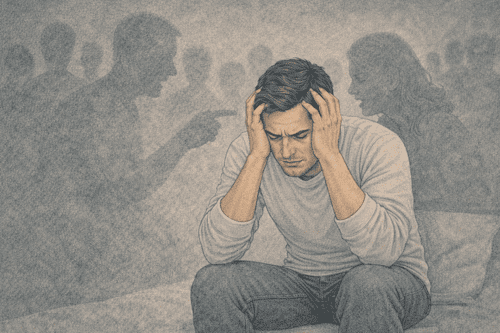
May is nationally recognized as Mental Health Awareness Month, but May 24 carries a more specific focus that often receives far less attention: World Schizophrenia Awareness Day. The annual observance aims to reduce stigma, improve public understanding, and encourage earlier support for people living with schizophrenia and related psychotic disorders.
For millions of Americans, including many families across California and Los Angeles County, schizophrenia remains one of the least understood mental health conditions despite its significant social and economic impact. Advocates say misinformation and fear still prevent many people from seeking treatment early, even though earlier intervention can dramatically improve long-term outcomes.
Health organizations estimate that between 3.1 million and 3.7 million adults in the United States live with schizophrenia spectrum disorders. According to research from RTI International, roughly 1.2% to 1.8% of U.S. adults experience a schizophrenia spectrum disorder during their lifetime.
Meanwhile, the National Institute of Mental Health estimates the narrower diagnosis of schizophrenia itself affects between 0.25% and 0.64% of the population.
The numbers reveal a major public health issue that intersects with housing, healthcare access, poverty, incarceration, and family stability. In California, where mental health systems remain strained and homelessness continues to rise in cities like Los Angeles, advocates say schizophrenia awareness is closely tied to broader conversations about healthcare equity and community support.
What schizophrenia actually is
Schizophrenia is a chronic mental health condition that affects how a person thinks, feels, interprets reality, and interacts socially. Contrary to common myths, schizophrenia does not mean someone has multiple personalities.
Symptoms are generally grouped into three categories: positive symptoms, negative symptoms, and cognitive symptoms.
Positive symptoms involve changes in perception or behavior, including hallucinations and delusions. Auditory hallucinations, such as hearing voices, are among the most common experiences reported by patients.
Negative symptoms refer to reduced emotional expression, social withdrawal, loss of motivation, and difficulty experiencing pleasure. These symptoms often make maintaining work, school, or relationships difficult.
Cognitive symptoms can affect concentration, memory, attention span, and decision-making. These challenges can severely impact daily functioning even when other symptoms improve.
According to the National Alliance on Mental Illness, schizophrenia symptoms often begin appearing between the late teenage years and early 30s. Roughly 100,000 Americans are newly diagnosed each year.
Why early treatment matters
Mental health experts increasingly emphasize the importance of identifying psychosis symptoms early. Delays in treatment are often linked to worse long-term outcomes, including hospitalization, unemployment, family instability, and homelessness.
That issue carries particular importance in Latino communities, where mental health stigma, language barriers, immigration stress, and limited healthcare access can sometimes delay diagnosis or treatment.
Organizations such as Mental Health America and National Alliance on Mental Illness say culturally competent mental healthcare remains essential, especially in large and diverse regions such as Southern California.
Where people living with schizophrenia reside
A major societal impact study found that most Americans living with schizophrenia are not institutionalized, contrary to outdated stereotypes.
Researchers found:
- 68.4% live independently in households
- 18.6% live in community-based residential support settings
- 5% live in long-term care facilities
- 4.7% are in correctional systems
- 3.3% are unhoused
Those numbers highlight how schizophrenia intersects with housing systems, criminal justice systems, and community healthcare networks.
In California, where housing affordability and homelessness remain dominant political issues, mental health professionals continue pushing for expanded supportive housing and outpatient treatment access.
Key takeaways
- Schizophrenia affects millions of Americans and often begins in young adulthood.
- Early treatment can improve long-term outcomes.
- Stigma remains a major barrier to care.
- Many people living with schizophrenia reside independently within communities.
- Latino families may face additional barriers including healthcare access, language differences, and cultural stigma around mental illness.
Resources and support
People seeking more information or support can explore several major mental health organizations:
- NAMI Schizophrenia Overview
- Mental Health America Resources
- Schizophrenia Society of Canada Awareness Information
Mental health advocates say awareness campaigns are not only about education. They are also about helping families recognize symptoms earlier, reducing shame around treatment, and encouraging communities to see mental illness through a public health lens instead of fear or misinformation.
As California continues confronting overlapping crises involving homelessness, healthcare access, and behavioral health systems, experts say schizophrenia awareness will likely remain an increasingly important part of the broader mental health conversation.