

Your Mouth May Be Disrupting Your Sleep: What Dentists and Sleep Experts Are Seeing

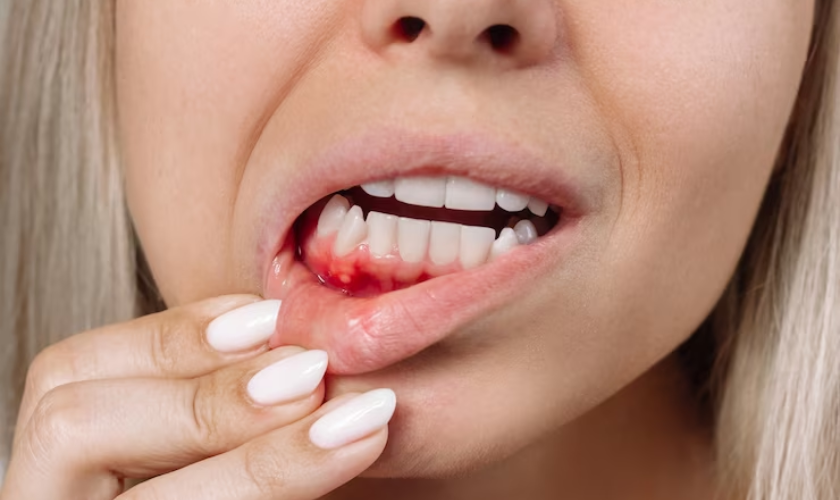
A sore jaw. Dry mouth. Bleeding gums. These symptoms are easy to dismiss, especially after a long day. But clinicians say they may be early warnings of a deeper issue: disrupted sleep that quietly affects the heart, metabolism, and cognitive focus. Increasingly, the starting point for better rest is not just the bedroom. It is the mouth.
A growing body of evidence connects oral health and sleep
Research cited by the American Dental Association shows that oral conditions can both reflect and worsen sleep disorders. Dentists are often the first to detect signs such as enamel wear, gum inflammation, or tongue indentations that point to nighttime breathing problems.
“The mouth can reveal what happens when the airway is not stable during sleep,” notes clinical guidance aligned with the American Academy of Sleep Medicine. Interrupted breathing reduces oxygen levels and fragments sleep cycles, even when patients are unaware.
Bruxism and airway issues are often linked
Teeth grinding, or bruxism, is no longer seen only as a stress habit. Sleep specialists now associate it with airway obstruction. When breathing becomes restricted, the body activates the jaw to reopen airflow.
This response may protect breathing in the short term but comes at a cost. Over time, it wears down enamel, strains the jaw, and disrupts deep sleep. According to the American Academy of Sleep Medicine, these repeated micro-arousals prevent restorative rest and increase daytime fatigue.
Inflammation in the mouth can affect the whole body
Gum disease is not isolated. The FDI World Dental Federation warns that periodontal inflammation increases the body’s overall inflammatory burden, which is linked to cardiovascular and metabolic conditions.
This matters for Latino communities in the United States, where rates of type 2 diabetes remain גבוה compared to the general population, according to the Centers for Disease Control and Prevention. Poor sleep combined with chronic oral inflammation can compound that risk.
Dry mouth is more than discomfort
Waking up with a dry mouth is common among people who breathe through their mouth at night or experience sleep apnea. Reduced saliva allows bacteria to multiply, increasing plaque, bad breath, and cavity risk.
Clinical observations summarized in the The Lancet highlight another layer. Inflammatory signals rise at night and can lower pain thresholds, making dental discomfort feel more intense and further disrupting sleep continuity.
A two-way relationship that requires joint care
The connection works both ways. Oral problems can fragment sleep, and poor sleep can worsen oral health through dryness, inflammation, and grinding.
Guidelines from the American Dental Association and the American Academy of Sleep Medicine increasingly call for coordinated care between dentists and sleep specialists. Identifying symptoms early can prevent escalation into cardiovascular complications, metabolic imbalance, and chronic fatigue.
What actually helps
Clinicians recommend a practical approach grounded in prevention. Brush and floss before bed to reduce bacterial load overnight. Stay hydrated and prioritize nasal breathing. Seek evaluation if symptoms such as jaw pain, snoring, or persistent dry mouth continue.
Some clinical discussions, including those in the Journal of Dental Sleep Medicine, explore tools like oral appliances or guided interventions to improve airflow during sleep. These should only be used under professional supervision.
Why this matters now
Sleep is often treated as separate from dental care. The evidence suggests otherwise. Small oral symptoms can be early signals of systemic stress happening every night.
Addressing them early is not just about protecting teeth. It is about restoring deep sleep, improving daily focus, and reducing long-term health risks through a part of the body many people overlook.