

Uncategorized
What’s quietly wearing down your smile: everyday foods and drinks that damage tooth enamel

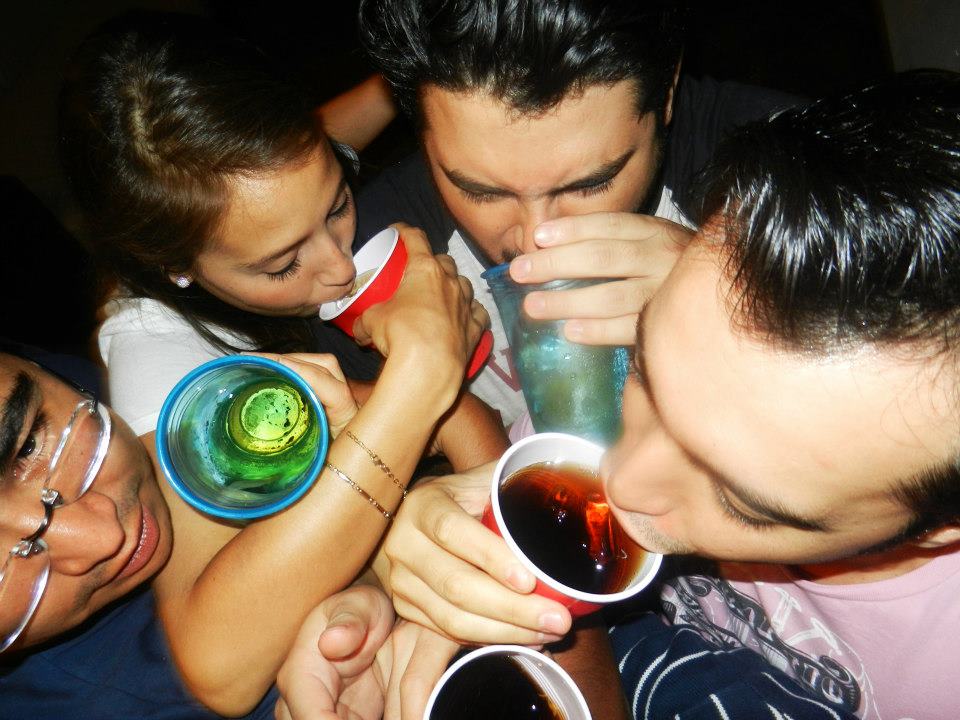
A morning juice, an afternoon soda, or coffee throughout the workday may seem harmless. But together, they can weaken tooth enamel day after day. The issue is not just sugar. It is the combination of acidity, frequency, and how long your teeth are exposed.
The American Dental Association warns that acidic and sugary foods and drinks lower the mouth’s pH, creating conditions where enamel loses minerals. This process, called demineralization, reduces the tooth’s natural ability to repair itself.
Enamel is the hardest substance in the human body, but it is not indestructible. Research published in the Journal of Dentistry shows that repeated exposure to acids and sugars limits remineralization and increases the risk of cavities and sensitivity.
Damage can begin within minutes. A recent analysis of popular beverages found that sodas, juices, and energy drinks increase enamel surface roughness almost immediately. Energy drinks ranked as the most harmful due to their high acidity and chemical composition.
“Every time we sip an acidic drink, we start an acid attack on enamel that can last up to 30 minutes,” said Dr. Sally Cram, a dentist and spokesperson for the American Dental Association. “If you sip throughout the day, your teeth never get a chance to recover.”
Citrus juices, even fresh ones, typically have a pH between 2.0 and 3.5. This level of acidity can dissolve essential minerals like calcium. Bottled versions may be more aggressive because they often contain added citric acid as a preservative.
Sodas add another layer of risk. They contain phosphoric and carbonic acids that accelerate mineral loss. Drinking them slowly increases exposure time and worsens the damage. Sports and energy drinks, often marketed as functional, combine sugar and acid, and in some cases caffeine, which reduces saliva production, the mouth’s main defense.
Consumption habits matter. Taking small sips over several hours is more damaging than drinking a beverage in one sitting. Saliva needs time to neutralize acids and restore balance.
It is not just beverages. Everyday foods like refined breads, chips, and sweets break down into simple sugars. Oral bacteria convert these into acids that cling to teeth. Sticky candies and dried fruits prolong this contact, increasing the risk of cavities.
White wine, vinegar-based dressings, and fermented products also contribute to enamel erosion. In these cases, acidity combined with reduced saliva flow creates a more aggressive environment for teeth.
Experts agree the damage is cumulative but preventable. The Centers for Disease Control and Prevention recommends limiting sugary drink intake, choosing water as the primary source of hydration, and maintaining consistent oral hygiene.
Dr. Mark Wolff, dean of the School of Dental Medicine at the University of Pennsylvania, has noted in clinical research that “it’s not about eliminating these foods entirely, but changing how and when you consume them.”
Simple steps can make a difference. Use a straw to reduce contact with teeth, rinse with water after acidic drinks, and wait at least 30 minutes before brushing to avoid damaging softened enamel.
For many Latino families, where access to dental care can be inconsistent, prevention is essential. Enamel erosion may not hurt at first, but its consequences can be costly and permanent.
Protecting your smile is not just about appearance. It is about health. And it starts with everyday choices that often go unnoticed.