

What Happens After You Quit Smoking? Science Shows Your Body Begins Repairing Itself

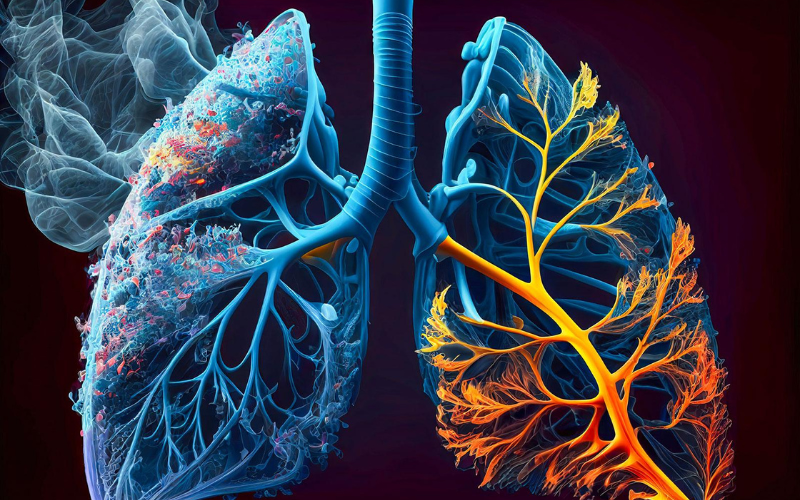
Quitting smoking is one of the most important decisions a person can make for their health. While many smokers worry the damage is permanent, decades of research show the body begins repairing itself almost immediately after the last cigarette.
Although some injuries caused by smoking cannot be reversed, quitting dramatically lowers the risk of heart disease, stroke, lung cancer, chronic lung disease, and premature death. New research published in Nature also found that the lungs retain a surprising ability to repair parts of the airway after smoking stops.
For California’s Latino communities, where tobacco-related illnesses continue to affect families, the message is encouraging: it’s never too late to quit.
Healthy Lung Cells Can Make a Comeback
One of the most significant discoveries came from researchers studying airway cells from smokers, former smokers, and people who had never smoked.
They found that smoking leaves thousands of genetic mutations in many airway cells, increasing the risk of lung cancer. But they also discovered that a small population of healthy airway stem cells often survives, even after years of smoking.
Once a person quits, those healthy cells begin multiplying and replacing many of the damaged cells lining the airways. Former smokers had far more healthy airway cells than people who continued smoking, helping explain why the risk of lung cancer steadily declines after quitting.
Researchers say this demonstrates that the lungs have a greater capacity for repair than previously understood, even though earlier damage is not completely erased.
What Doesn’t Heal
Quitting smoking does not reverse every injury.
People with emphysema lose tiny air sacs called alveoli, which allow oxygen to move into the bloodstream. Current evidence shows these destroyed air sacs do not regrow.
Some long-term structural and molecular changes also remain. That is why health experts encourage people to quit as early as possible. Still, stopping at any age provides meaningful health benefits.
Your Heart Starts Recovering Right Away
The cardiovascular system begins healing within minutes of your last cigarette.
- 20 minutes: Heart rate and blood pressure begin returning toward healthier levels.
- 24 hours: Carbon monoxide levels normalize, allowing the blood to carry oxygen more effectively.
- 2 to 12 weeks: Circulation and lung function improve.
- 1 year: The risk of coronary heart disease is about half that of someone who continues smoking.
- 5 to 15 years: Stroke risk may fall to that of someone who never smoked.
- 15 years: Coronary heart disease risk approaches that of a lifelong nonsmoker.
These improvements significantly reduce the chances of heart attack, stroke, and premature death.
Lung Cancer Risk Continues to Fall
Smoking remains the leading preventable cause of lung cancer, but quitting makes a substantial difference.
About 10 years after quitting, the risk of lung cancer is roughly half that of someone who continues smoking. Risks for cancers of the mouth, throat, esophagus, bladder, and pancreas also decline over time.
Although the risk never drops to zero, every smoke-free year improves long-term health and life expectancy.
How to Support Your Body’s Recovery
Your body naturally clears many of the toxins left behind by smoking, but healthy habits can support the healing process.
Stay Hydrated
Drinking plenty of water helps thin mucus, making it easier for recovering airway cilia—the tiny hair-like structures that remove debris from the lungs—to clear the airways.
Eat Anti-Inflammatory Foods
Fruits, vegetables, whole grains, beans, nuts, and omega-3-rich foods such as salmon, walnuts, and flaxseed provide nutrients that support cardiovascular health and reduce inflammation.
Exercise Regularly
Walking, cycling, swimming, or other moderate exercise strengthens the heart, improves circulation, and gradually increases lung capacity.
Practice Breathing Exercises
Diaphragmatic breathing and pursed-lip breathing can improve airflow and reduce shortness of breath, particularly for people recovering from long-term smoking.
Protect Your Lungs
Avoid secondhand smoke, heavy dust, chemical fumes, and poor air quality whenever possible. California residents should monitor local air quality during wildfire season before exercising outdoors.
Stay Current on Vaccinations
Vaccinations against influenza, COVID-19, RSV (when appropriate), and pneumococcal disease can help protect lungs that are recovering from years of smoke exposure.
The science is clear: quitting smoking allows the body to begin repairing itself almost immediately.
Healthy airway cells can replace many damaged cells, the heart and blood vessels recover, and the risks of heart disease, stroke, and lung cancer steadily decline. While some lung damage, such as emphysema, cannot be reversed, stopping smoking at any age leads to longer life and better health.
Whether someone has smoked for five years or forty, experts agree on one point: the best time to quit smoking is today.