

New Moms Often Hide This Mental Health Condition After Birth, Doctors Warn

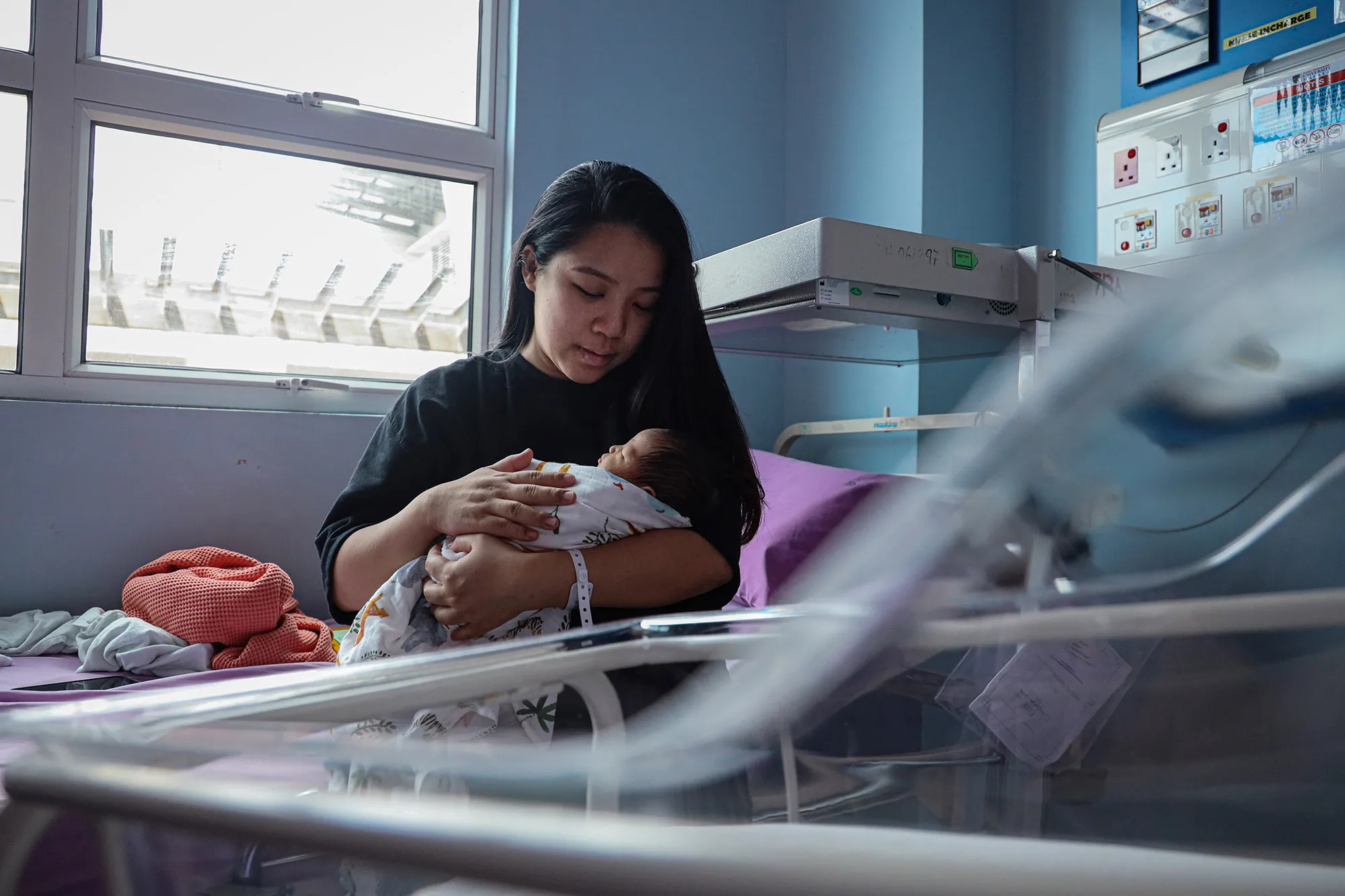
Intrusive thoughts, constant checking, and fear of harming a baby may signal postpartum OCD, a condition specialists say is frequently misunderstood and underdiagnosed
For many mothers, the days after childbirth bring exhaustion, emotional overwhelm, and nonstop worry about keeping a newborn safe. But mental health specialists say there is a point when those fears become something more serious.
Doctors at Cleveland Clinic are raising awareness about postpartum obsessive-compulsive disorder, known as postpartum OCD, a maternal mental health condition marked by intrusive thoughts, compulsive behaviors, and severe anxiety after childbirth.
The condition is often hidden because mothers fear judgment or worry that admitting disturbing thoughts could make them appear dangerous. Experts stress the opposite is usually true.
“Feeling distressed by these thoughts is actually a sign the mother does not want to harm her baby,” said Dr. Adele Viguera, a psychiatrist with Cleveland Clinic who specializes in women’s mental health.
Mental health conditions tied to pregnancy and postpartum recovery affect about 1 in 5 women, according to the Centers for Disease Control and Prevention and the American Hospital Association. Yet many cases go untreated because symptoms are dismissed as normal stress or “baby blues.”
Unlike common postpartum anxiety, postpartum OCD can interfere with bonding, sleep, feeding routines, and daily caregiving. Mothers may repeatedly check if the baby is breathing, avoid holding the child out of fear of dropping them, or wash their hands compulsively after touching the infant.
Intrusive thoughts are among the most frightening symptoms. These unwanted images or fears can include accidents or imagined harm coming to the baby. Specialists say the thoughts are involuntary and do not reflect a mother’s intentions.
The condition may emerge after childbirth or intensify in women with a prior history of anxiety, depression, or obsessive-compulsive disorder. Sleep deprivation, hormonal shifts, financial stress, and lack of support at home can also increase risk.
That concern carries particular weight for Latino families, where conversations about maternal mental health are often delayed by stigma, language access challenges, or cultural pressure to appear emotionally strong after childbirth. Community health advocates in California have increasingly called for more bilingual postpartum mental health screening and culturally competent care.
Research published through the CDC found postpartum anxiety symptoms affected roughly 18% of women surveyed, with many also reporting depression symptoms at the same time.
Specialists say postpartum OCD differs sharply from postpartum psychosis, a rare psychiatric emergency involving loss of contact with reality. Mothers with postpartum OCD typically recognize the thoughts are disturbing and actively try to resist them.
The CDC recommends that women speak with a doctor or licensed mental health professional if anxiety, compulsive behaviors, or emotional distress begin disrupting sleep, eating, caregiving, or emotional connection with the baby.
Treatment may include cognitive behavioral therapy, support groups, medication, or a combination of approaches tailored to postpartum care.
Federal health officials also encourage families to pay attention to warning signs during the first year after childbirth, not only in the immediate weeks after delivery.
For mothers struggling silently, experts say early treatment can improve recovery, strengthen family stability, and help restore confidence during one of the most vulnerable stages of parenthood.