

Mixing Drugs Can Be Deadly, Even When You Don’t Know What’s in Them

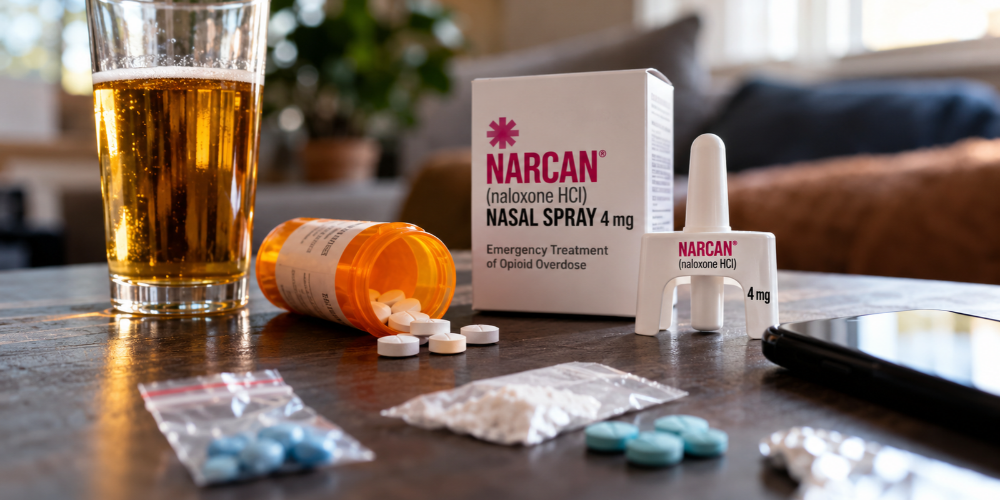
Combining alcohol, opioids, or stimulants can increase overdose risks. Fentanyl and other unexpected substances make those dangers harder to predict. Here’s what to know and how to respond.
Someone takes a prescription pain pill and drinks alcohol. Another person uses cocaine without knowing it contains fentanyl. A family member finds someone unconscious and doesn’t know what they took.
These situations are different, but they share a dangerous possibility: an overdose involving more than one substance.
Combining certain drugs can increase the risk of serious injury or death. And because counterfeit pills and illegally manufactured drugs may contain unexpected ingredients, people do not always know what substances they are taking.
Understanding these risks matters. So does knowing what to do when someone needs help.
Why mixing substances can be dangerous
Different substances affect the body in different ways. When taken together, their effects can become more dangerous.
Alcohol and opioids are a particularly risky combination. Both can slow breathing and suppress the central nervous system. Together, they can increase the risk of unconsciousness, respiratory failure, and death.
The same concern applies when opioids are combined with certain sedatives, including benzodiazepines such as Xanax or Valium.
These risks aren’t limited to illegal drugs. Prescription medications can also interact dangerously with alcohol or other medicines.
Mixing stimulants such as cocaine or methamphetamine with opioids creates another set of dangers.
Stimulants increase activity in the nervous system, while opioids can suppress breathing. Taking them together does not mean their effects cancel each other out.
A person may experience serious cardiovascular complications, respiratory depression, or an overdose.
The safest approach is to avoid combining substances without medical guidance. If you take prescription medications, ask a pharmacist or healthcare professional about possible interactions.
The danger of drugs containing unexpected ingredients
Not every overdose involving multiple substances happens because someone deliberately mixed drugs.
Illegally manufactured fentanyl, a powerful synthetic opioid, has been found in counterfeit prescription pills and other drugs.
A pill that looks like a familiar medication may contain fentanyl instead. Someone who believes they are taking a stimulant may also be exposed to an opioid.
Fentanyl is particularly dangerous because even a small amount can cause a fatal overdose, especially in someone without opioid tolerance.
Another concern is xylazine, a veterinary sedative sometimes found mixed with illegally manufactured fentanyl.
Xylazine is not an opioid. It can cause profound sedation and other serious complications, including severe skin wounds associated with repeated exposure.
Unlike opioid effects, xylazine’s effects cannot be reversed by naloxone. However, naloxone should still be given when an opioid overdose is suspected because fentanyl or another opioid may also be present.
Appearance, taste, or smell cannot reliably tell someone whether a drug contains fentanyl or xylazine.
Drug-checking services and test strips may help identify certain substances, but negative results do not guarantee safety.
How to recognize an overdose
An overdose can look different depending on the substances involved.
Possible signs of an opioid overdose include:
- Very slow, irregular, or stopped breathing.
- Unresponsiveness or inability to wake up.
- Blue, gray, or discolored lips or fingernails.
- Gurgling, choking, or unusual snoring sounds.
Stimulant-related emergencies may involve chest pain, seizures, severe agitation, overheating, or loss of consciousness.
Someone may have taken multiple substances, making symptoms difficult to interpret.
If you suspect an overdose, don’t wait to identify exactly what was taken. Treat it as a medical emergency.
What to do immediately
Call 911 if someone is unconscious, breathing abnormally, having a seizure, or showing other signs of a possible overdose.
If an opioid may be involved, administer naloxone, commonly sold as Narcan, as soon as possible.
Naloxone can reverse opioid-related respiratory depression. It will not reverse every substance’s effects, but it can save a life when opioids are involved.
Follow the product instructions. Additional doses may be necessary, especially with potent synthetic opioids.
If the person is not breathing normally, follow the emergency dispatcher’s instructions for CPR or rescue breathing. If they are breathing, place them on their side when appropriate and continue monitoring them.
Stay with the person until emergency responders arrive.
Even if naloxone appears to work, emergency medical care is still necessary because its effects can wear off while opioids remain in the body.
Mixing drugs can produce dangerous effects, and unexpected ingredients in the illegal drug supply add risks that people may not recognize.
An overdose can happen without warning. But knowing the signs, having naloxone available, and calling 911 immediately can save a life.
No one needs to know exactly what substance was taken before seeking emergency help.