

Lung Cancer Warning Signs: When Is a Cough More Than a Cough?

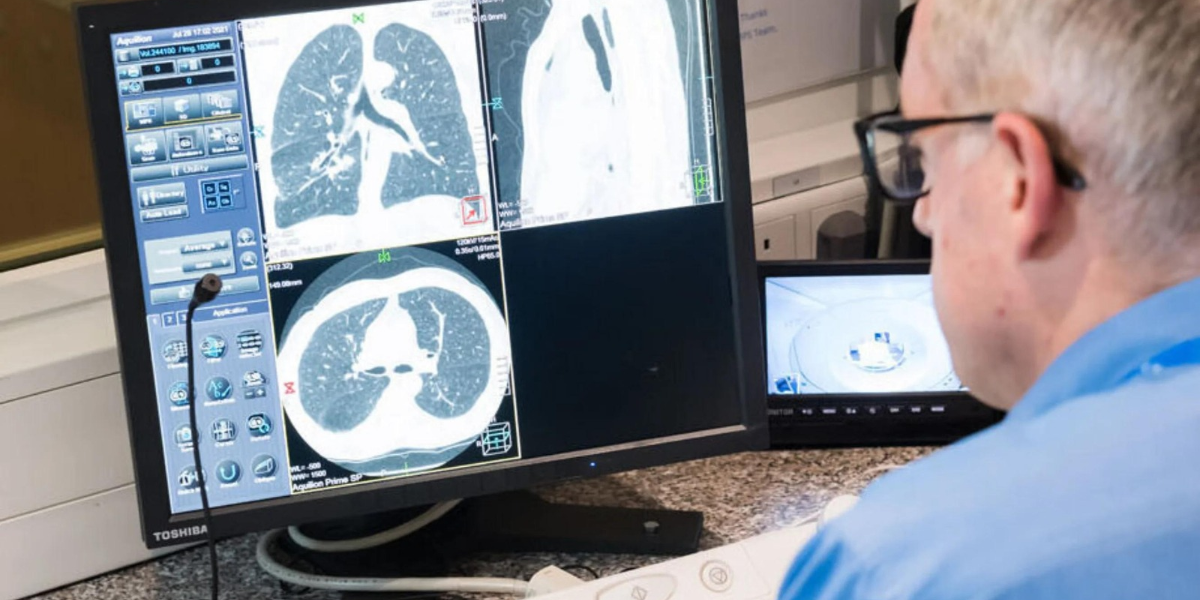
A lingering cough, unexplained fatigue or repeated pneumonia may have many causes. Knowing which changes deserve medical attention can help people act before a serious condition goes undetected.
A cough that lingers after a cold is easy to dismiss. So is feeling unusually tired, getting winded while climbing stairs or recovering from another bout of bronchitis.
Most of the time, these symptoms have causes other than cancer. But when they persist, worsen or appear without an explanation, they deserve attention.
Lung cancer can be particularly difficult to recognize because many people experience no symptoms until the disease has advanced, according to the Centers for Disease Control and Prevention (CDC).
That makes understanding possible warning signs important—not because every cough signals cancer, but because people need to know when to seek medical care.
Seven warning signs worth discussing with a doctor
The American Cancer Society and American Lung Association identify several symptoms that can occur with lung cancer.
1. A cough that does not go away or changes. A new cough that persists, becomes worse or sounds different from a person’s usual chronic cough should be evaluated.
2. Shortness of breath or wheezing. Becoming unusually breathless during ordinary activities or developing a new whistling sound while breathing can indicate a respiratory problem that needs attention.
3. Chest, shoulder or back pain. Persistent discomfort, especially chest pain that worsens when coughing, laughing or breathing deeply, may require investigation.
4. Coughing up blood. Blood in mucus, even small streaks, should never be dismissed. It warrants prompt medical evaluation.
5. A hoarse or changing voice. Persistent hoarseness without a clear explanation can be another warning sign.
6. Repeated respiratory infections. Pneumonia or bronchitis that keeps returning, or does not improve as expected, deserves follow-up.
7. Unexplained weight loss, fatigue or reduced appetite. Losing weight without trying, feeling unusually weak or eating substantially less than normal may signal an underlying medical condition.
None of these symptoms proves someone has lung cancer. Infections, asthma, chronic obstructive pulmonary disease and other conditions can cause similar problems.
The important questions are whether symptoms are new, persistent, worsening or unexplained.
When should you seek medical attention?
If a cough is not improving, breathing becomes more difficult, or an infection repeatedly returns, arrange a medical appointment rather than continuing to wait without a plan.
Seek prompt medical attention for any coughing up of blood, even if the amount appears small.
Call 911 for severe or sudden difficulty breathing, sudden severe chest pain, or chest pain accompanied by fainting or other signs of a medical emergency. These symptoms can have causes unrelated to cancer that require immediate treatment.
During a medical visit, explain when the symptom began, whether it has changed and what treatments have already been tried.
Depending on the symptoms and medical history, a clinician may recommend an examination, imaging or other diagnostic tests.
Can you develop lung cancer if you never smoked?
Yes.
Smoking remains the leading cause of lung cancer, but people who have never smoked can also develop the disease.
Other risk factors include secondhand smoke, radon exposure, certain workplace substances, air pollution and family history.
A person who has never smoked should not assume that a persistent or unexplained respiratory symptom is harmless.
At the same time, having a risk factor does not mean someone has cancer.
What about lung cancer screening?
Screening and evaluating symptoms are different medical decisions.
Lung cancer screening uses low-dose CT scans to look for cancer in people who do not have symptoms but face an elevated risk.
Under U.S. Preventive Services Task Force recommendations, annual screening is advised for adults ages 50 to 80 who have smoked at least 20 pack-years and currently smoke or quit within the past 15 years.
A pack-year means smoking an average of one pack of cigarettes daily for one year.
The American Cancer Society also recommends screening for eligible adults ages 50 to 80 with at least 20 pack-years, but does not impose the same 15-year limit after quitting.
People should discuss eligibility, benefits, risks and insurance coverage with a healthcare professional.
If you already have concerning symptoms, do not wait to qualify for routine screening. Ask about a diagnostic evaluation.
The question worth asking yourself
A cough, hoarseness or fatigue may turn out to have a straightforward explanation.
But if something has changed and is not getting better, the useful question is not whether you are certain it is serious.
It is whether you have enough information to safely keep waiting.
Seeking medical advice can help identify the cause—and, when necessary, begin treatment sooner.