

Los Angeles Heat Safety Tips: How to Prevent Dehydration and Protect Your Family During Hot Weather

What Los Angeles Residents Should Know
- Dehydration can develop before people realize they are at risk.
- Thirst is a warning sign, not the first moment to begin drinking water.
- Children, older adults, and outdoor workers face higher risks.
- Heat exhaustion can become heat stroke, which is a medical emergency.
- Planning ahead is one of the easiest ways to stay safe during LA heat.
Los Angeles residents know summer heat can arrive quickly, but extreme temperatures can create serious health risks when people underestimate how fast dehydration can happen.
From downtown Los Angeles sidewalks and Valley neighborhoods to outdoor jobs, parks, and hiking trails across the county, heat exposure affects how people work, travel, exercise, and care for their families.
The warning signs are not always obvious at first. Dark yellow urine, dry mouth, headaches, fatigue, dizziness, and trouble concentrating can all signal that the body is running low on fluids.
For Angelenos spending time outdoors, working in the heat, or caring for children and older adults, recognizing those signs early can prevent more serious heat-related illness.
Why Los Angeles Heat Can Become Dangerous
Los Angeles has a unique heat challenge because temperatures vary significantly across the region.
A mild coastal day can exist at the same time as dangerous heat inland. Neighborhoods in the San Fernando Valley, San Gabriel Valley, and parts of the Inland Empire can experience much higher temperatures than coastal communities.
The city’s urban environment can also intensify heat. Concrete, asphalt, buildings, and limited shade can trap warmth and create hotter conditions, especially during afternoon and evening hours.
This means heat safety is not only about the official temperature. It is also about where people live, work, and spend time outside.
Signs of Dehydration: When Your Body Needs Water
Health experts, including the Mayo Clinic and Cleveland Clinic, identify several common signs of dehydration.
Early symptoms include:
- Dark yellow urine
- Dry mouth
- Increased thirst
- Fatigue
- Headaches
- Difficulty concentrating
- Less frequent urination
More serious warning signs may include:
- Dizziness
- Rapid heartbeat
- Confusion
- Severe weakness
- Fainting
If someone shows signs of severe heat illness, immediate medical attention may be necessary.
How Angelenos Can Stay Hydrated During Hot Weather
Drink Before You Feel Thirsty
Many people wait until they feel very thirsty before drinking water. Experts warn that thirst can mean the body is already beginning to lose needed fluids.
Before outdoor activities:
- Drink water ahead of time
- Carry a reusable water bottle
- Avoid starting activities already dehydrated
Take Water Breaks During Outdoor Activities
Whether walking, exercising, hiking, or working outside:
- Sip water regularly
- Rest in shaded areas
- Avoid pushing through dizziness or exhaustion
For longer activities involving heavy sweating, electrolyte replacement may help replace minerals lost through sweat.
Outdoor Workers Face Higher Heat Risks
Many Los Angeles residents work outdoors, including:
- Construction workers
- Landscapers
- Delivery workers
- Street maintenance workers
- Agricultural workers in surrounding regions
Extended heat exposure can increase the risk of dehydration and heat illness.
Employers and workers should prioritize:
- Regular water access
- Rest breaks
- Shade whenever possible
- Awareness of heat illness symptoms
A worker experiencing confusion, fainting, or severe symptoms should receive immediate attention.
Los Angeles Families Should Prepare Before Extreme Heat Arrives
Heat safety is especially important for households with:
Children
Children may become dehydrated faster and may not recognize symptoms early.
Parents should:
- Encourage regular water breaks
- Avoid prolonged outdoor activity during peak heat
- Monitor children playing outside
Older Adults
Older adults can face increased risks because the body’s ability to regulate temperature may change with age.
Neighbors and family members can help by:
- Checking on older relatives
- Making sure cooling systems are working
- Ensuring access to water
Outdoor Recreation: Staying Safe on LA Trails
Los Angeles offers many outdoor destinations, but hiking and exercise during extreme heat requires preparation.
Popular recreation areas, including Griffith Park, the Santa Monica Mountains, and other LA County trails, can become dangerous during hot conditions.
Before heading out:
- Check weather conditions
- Avoid the hottest afternoon hours
- Bring more water than expected
- Tell someone your plans
- Know when to turn back
Feeling tired, dizzy, or unusually weak is a reason to stop.
Cooling Centers and Heat Resources in Los Angeles County
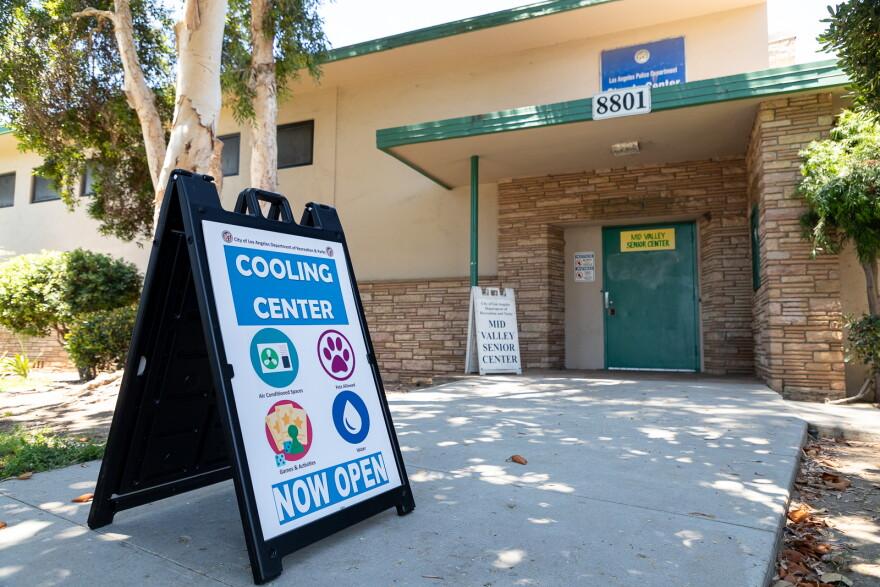
During periods of extreme heat, Los Angeles County agencies and local cities may provide cooling resources for residents who need relief from high temperatures.
Residents should monitor:
- Los Angeles County Department of Public Health announcements
- Local city emergency updates
- Weather alerts from official agencies
People without reliable cooling at home may need to identify nearby cooling locations before extreme heat arrives.
Heat Exhaustion vs. Heat Stroke: Know the Difference
Heat Exhaustion Symptoms
Possible signs include:
- Heavy sweating
- Weakness
- Nausea
- Headache
- Dizziness
- Cool, clammy skin
Move to a cooler place, rest, and drink fluids if the person is able.
Heat Stroke Symptoms
Heat stroke is a medical emergency.
Warning signs include:
- Confusion
- Loss of consciousness
- Seizures
- Extremely high body temperature
- Hot skin
Call emergency services immediately if heat stroke is suspected.
Why Los Angeles Heat Safety Matters
Extreme heat affects more than comfort. It affects health, work, transportation, recreation, and family routines.
For Angelenos, especially those who work outside, live in hotter neighborhoods, or care for vulnerable family members, preparation can make the difference between a manageable hot day and a medical emergency.
The simplest steps remain the most important:
Drink water early. Take breaks. Seek shade. Pay attention to warning signs.
As Los Angeles continues experiencing hotter summers, heat safety will remain an important part of protecting the health and well-being of local communities.
FAQ
What are the first signs of dehydration?
Common early signs include dark yellow urine, thirst, dry mouth, fatigue, headaches, and difficulty concentrating.
When is Los Angeles heat dangerous?
Heat becomes more dangerous when temperatures rise significantly, especially during prolonged hot periods, when people spend extended time outdoors, or when nighttime temperatures remain high.
Where can Los Angeles residents find cooling centers?
During extreme heat events, residents should check official Los Angeles County and city emergency announcements for available cooling locations.
Who is most vulnerable during LA heat waves?
Children, older adults, outdoor workers, people without reliable cooling, and people with certain health conditions may face higher risks.
How can I prevent dehydration while hiking in Los Angeles?
Bring enough water, avoid the hottest hours, take breaks in shade, and stop if you experience dizziness, weakness, or confusion.