

Two Minutes That Can Change Your Health: Why Proper Brushing Protects More Than Your Smile

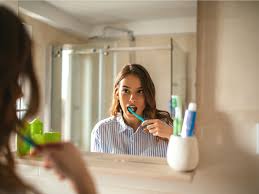
In many Latino households, brushing your teeth is a routine learned early but rarely explained. Science is clear: doing it quickly is not enough. Spending at least two minutes, twice a day, can be the difference between a healthy mouth and problems that go beyond your teeth.
The Two-Minute Rule Is Backed by Science
Experts at the Cleveland Clinic emphasize that brushing time is critical. Clinical findings shared by the institution show that brushing for two minutes removes up to 26 percent more plaque than brushing for just 45 seconds. Extending brushing to three minutes can increase plaque reduction to as much as 55 percent.
“The key is not just frequency, but combining time, technique, and consistency,” says dentist Anne Clemons. Plaque buildup, she explains, is the primary driver of cavities, gum disease, and bad breath. Left untreated, it becomes a cumulative health risk.
This guidance aligns with the American Dental Association, which recommends brushing twice daily as the foundation of oral health.
Oral Health Is Linked to Overall Health
The mouth is not separate from the rest of the body. Research supported by the Centers for Disease Control and Prevention shows that poor oral health can contribute to conditions such as diabetes and cardiovascular disease.
Chronic gum inflammation allows bacteria to enter the bloodstream, potentially worsening existing conditions. For Latino communities in the United States, where type 2 diabetes rates are higher, this connection carries added urgency.
Technique Matters as Much as Time
Brushing harder does not mean better cleaning. Clemons recommends gentle circular motions across each tooth and along the gumline. Soft-bristled brushes are safest and help prevent enamel damage.
Using fluoride toothpaste is essential. According to the American Dental Association, fluoride strengthens enamel and helps prevent cavities.
Flossing at least once a day completes the routine. A toothbrush cannot reach between teeth, where food particles and bacteria collect.
Common Mistakes That Reduce Effectiveness
One frequent mistake is brushing immediately after consuming acidic foods or drinks such as citrus juice or soda. The Mayo Clinic recommends waiting at least 30 minutes to protect enamel, which becomes temporarily weakened by acids.
Another issue is rushing. Using a timer or an electric toothbrush with a built-in alert can help maintain the recommended brushing time and improve consistency.
More Than Appearance, It Is a Health Investment
Spending four minutes a day brushing may seem small, but the impact adds up. Over a year, that is more than 24 hours dedicated to prevention.
For many Latino families, where access to dental care can be limited or costly, strengthening daily habits is one of the most effective strategies. This is not just about avoiding cavities. It is about protecting overall health with a simple, consistent routine backed by evidence.