

Nuts vs. Dried Fruit: What Science Really Says About Their Benefits and Risks

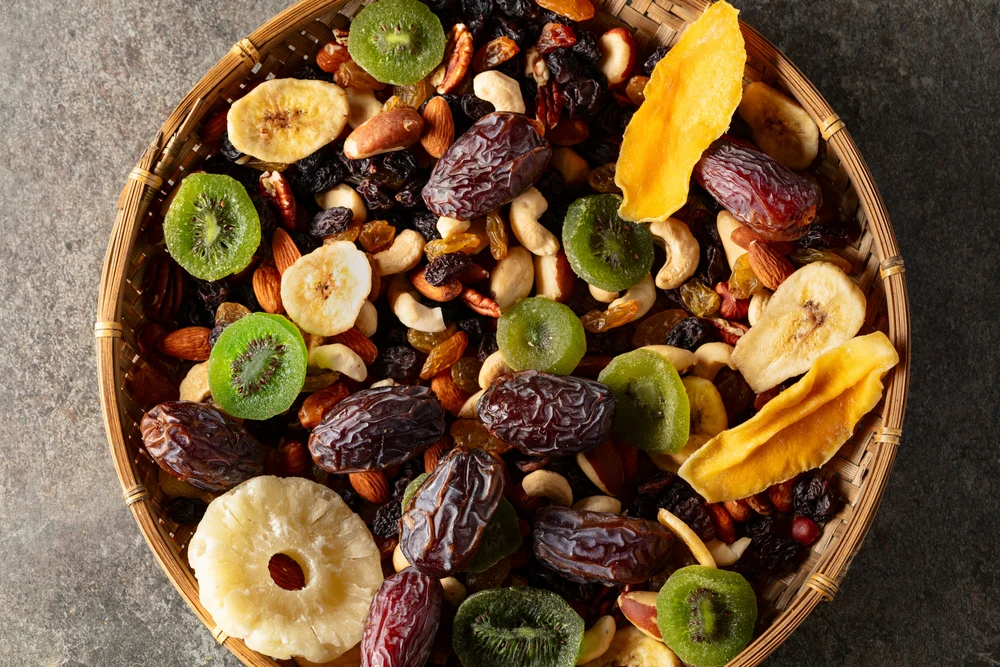
In many Latino households, a handful of almonds or some raisins are seen as healthy choices without much thought. But they are not the same. Understanding the difference is not a minor detail. It can affect heart health, blood sugar control, and even weight.
Organizations such as the Food and Drug Administration and the European Food Safety Authority agree that the distinction is clear. Nuts, like walnuts and pistachios, are seeds with low water content and high levels of healthy fats. Dried fruits, such as dates and raisins, come from fresh fruit that has been dehydrated, which concentrates their natural sugars.
For Latino families, who diabetes and heart disease have a disproportionate impact, this difference matters. Data from the American Heart Association show that diets rich in unsaturated fats, found in nuts, are linked to a lower risk of cardiovascular disease.
The Academy of Nutrition and Dietetics notes that nuts provide vitamin E, magnesium, and protein, which help reduce LDL cholesterol. They also promote satiety, which can help limit the consumption of ultra-processed foods.
Dried fruits have their own value. They provide fiber, potassium, and antioxidants that support digestion and bone health. According to the World Health Organization and the Food and Agriculture Organization, both food groups can be part of a balanced diet when eaten in moderation.
But here is the critical point: not everything that seems natural actually is. Many dried fruits sold in supermarkets contain added sugars. This can quickly increase glycemic load, which is especially important for people living with prediabetes or type 2 diabetes.
“People assume dried fruit is always healthy, but the label matters,” said registered dietitian Ana Reisdorf, cited in nutrition analyses by specialized media. “Versions without added sugar are the best choice.”
Portion size also matters. Both nuts and dried fruits are calorie-dense. A small handful can be healthy. Eating them in excess can contribute to weight gain.
International standards from the Codex Alimentarius require clear labeling, traceability, and allergen warnings, especially for nuts, which can trigger severe reactions.
For Latino consumers, the message is practical. It is not about cutting these foods out, but about making better choices. Choose raw or dry-roasted nuts without added salt. Opt for dried fruits with no added sugar. And most importantly, understand that while both are nutritious, they serve different roles in your diet.
In an era of overwhelming health information, clarity is power. Knowing what you are eating can make the difference between a healthy snack and a silent risk.