

Cholesterol Isn’t Just About Food — It’s About Patterns, Timing, and Risk

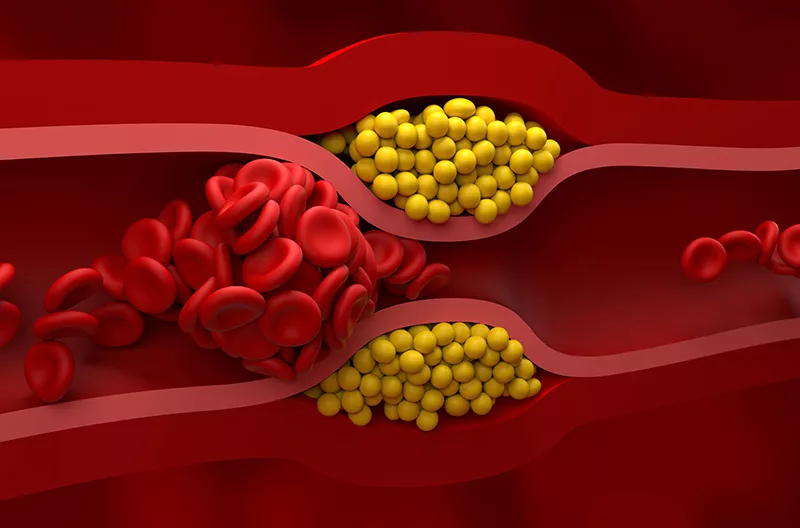
High cholesterol is a common problem among adults and represents a major risk factor for heart disease and stroke, the leading causes of death in developed countries.
As reported by The Times, when harmful cholesterol—such as non-HDL cholesterol (which includes LDL and other atherogenic lipoproteins)—accumulates in the body, it can block blood vessels and damage vital organs. Diet and physical activity play a central role in controlling these levels.
Experts note that a diet high in saturated fats, particularly from red meat and butter, increases cholesterol levels.
Researchers followed more than 25,000 people between the ages of 50 and 60 and found marked seasonal variations throughout the year: the number of people with unhealthy cholesterol levels in January was nearly double that seen in June, with a peak during the first week of the year.
Experts explain: “If you consume a poor-quality diet for several weeks, this can affect your blood lipid levels.” They add that a few days of indulgence do not cause long-term harm if overall diet and lifestyle habits are healthy.
Specialists emphasize that no single food is inherently dangerous when consumed in moderation. Making informed food choices can help maintain better heart health.
Adopting a diet focused on cardiovascular health can make a significant difference in lipid levels and reduce the risk of heart disease. Numerous scientific studies support the benefits of certain foods that improve cholesterol profiles, reduce inflammation, and promote arterial protection.
1. Black cumin seeds
These seeds, commonly used in curries, stand out for their lipid-lowering effects. A study published in Food Science & Nutrition showed that consuming five grams daily for eight weeks reduced total cholesterol and non-HDL cholesterol.
2. Oats and barley
The soluble fiber (beta-glucans) found in oats and barley helps reduce cholesterol absorption. Stanford University explained that an intake of three grams per day lowers total cholesterol and LDL (“bad”) cholesterol.
3. Chickpeas and legumes
Among legumes, chickpeas have shown a particularly strong effect. Studies indicate that people who consumed chickpeas daily—compared to black beans—achieved a significant reduction in cholesterol levels.
Research shows that a daily serving of chickpeas or lentils reduces non-HDL cholesterol. Stanford recommends replacing meat with legumes to increase soluble fiber intake and improve lipid control.
4. Walnuts
Unsalted nuts are an important source of omega-3 fatty acids. According to Guttmann, walnuts have a particularly favorable profile. Studies cited in Circulation showed a 4.3% reduction in LDL cholesterol when a handful was added to the daily diet.
Certain foods have a pronounced effect on increasing LDL cholesterol and other indicators associated with cardiovascular risk. Scientific evidence details which foods these are and how they affect the body.
1. Coconut oil
With 86% saturated fat, coconut oil raises LDL cholesterol levels compared to other vegetable oils. Experts state that “coconut oil should not be considered heart-healthy.”
2. Artisanal cured meats
Products such as salami, chorizo, and prosciutto increase risks similar to those of processed meats. A study from the University of Oxford, published in Critical Reviews in Food Science and Nutrition, found that consuming 50 grams daily increases the risk of coronary heart disease by 18%.
3. Unfiltered coffee
Cafestol and kahweol—compounds found in unfiltered coffee—raise LDL cholesterol levels. A study published in Open Heart reported increases after consumption of espresso, moka pot, and French press coffee.
Experts warn that excessive consumption (more than three or four cups per day) can have negative effects, although moderate intake as part of a healthy diet does not appear to have a significant impact.
4. Alcohol
Experts warn that alcohol is converted into triglycerides and cholesterol in the body. While red wine contains antioxidants, its consumption should be limited to an occasional glass. The World Heart Federation emphasizes that no alcoholic beverage is beneficial for heart health.
Experts state that “there is no safe level of alcohol consumption for health, and there is no evidence that drinking—even in moderation—is cardioprotective.”
Eggs contain 186 milligrams of cholesterol per yolk, although they are low in saturated fat. According to Stanford, moderate consumption has a neutral effect on lipid profiles.
Studies indicate that eating up to two eggs per day may reduce LDL cholesterol compared to breakfasts high in saturated fat.
As for cheese, evidence suggests that the production process alters the structure of its nutrients. Experts recommend consuming it in moderation due to its high caloric density.