

Why Nuts Are a Nutrient Powerhouse, Backed by Science

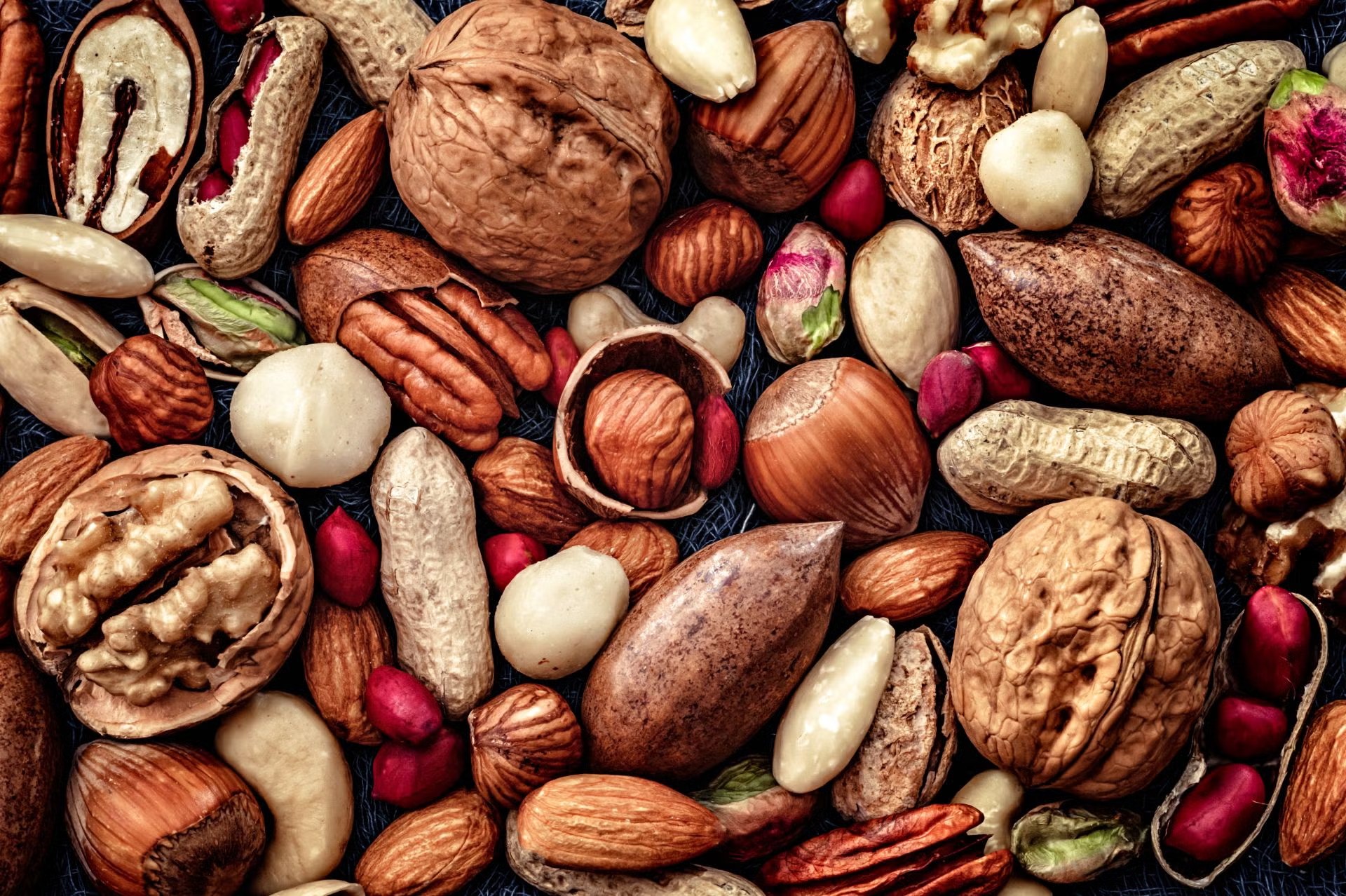
Thanks to their nutrient density and positive effect on health, many people have incorporated nuts as an essential “extra” in their diet. From almonds to walnuts, including cashews and pistachios, these foods are highly valued by nutritionists and fit perfectly within the Mediterranean diet.
With the arrival of autumn also comes the season of a very specific nut whose toasted aroma signals a gastronomic tradition as delicious as it is healthy. We’re talking about chestnuts, a nut with a unique nutritional profile that is actually closer to that of cereals.
Unlike walnuts, almonds, or hazelnuts, chestnuts contain a much lower proportion of fat and a high amount of complex carbohydrates, which make up almost half of their composition, according to reports from the Spanish Nutrition Foundation (FEN). These slow-release carbohydrates are an essential source of energy and are especially useful for maintaining stable blood sugar levels throughout the day. For this reason, chestnuts are a particularly interesting food for physically active people, students, or anyone who needs a sustained energy supply.
Another distinctive feature is their calorie content, surprisingly low for a nut. Because nearly 50% of their weight is water and they contain very little fat (similar to cereals), chestnuts provide far fewer calories than other traditional nuts. This makes them an ideal option for those looking to manage their weight without giving up a satisfying and nutritious food.
In terms of minerals, chestnuts stand out for their contribution of phosphorus and potassium. Phosphorus plays a key role in the formation of bones and teeth, in addition to being involved in fundamental energy processes in the body. Potassium, meanwhile, supports proper muscle function and fluid balance, and is essential for cardiovascular health by reducing blood pressure and helping control cholesterol. Adding chestnuts to your diet can help strengthen intake of these micronutrients through a natural, seasonal food.
Although their vitamin content is not high, nutritionists highlight the presence of B vitamins, especially B1 (thiamine) and B6 (pyridoxine). These vitamins are involved in energy metabolism and proper nervous system function, making their presence especially valuable during periods of physical or mental stress.
However, eating raw chestnuts is not recommended, because their high concentration of tannins (compounds that can irritate the digestive system) may cause intestinal discomfort. To avoid this, it is advised to let chestnuts rest for seven to ten days after harvesting. During this time, tannin levels decrease and part of the starch converts into sugars that are easier to digest, enhancing both their flavor and tolerability.
Additionally, boiling and roasting them not only enhance their aroma and texture but also help transform their carbohydrates, making them even more digestible. From the traditional roasted chestnuts sold on the street to soups, purées, side dishes, or desserts, their culinary versatility has made them a star ingredient in many autumn and holiday recipes.