

The Surprising Way Cats Help Reduce Stress and Find Joy

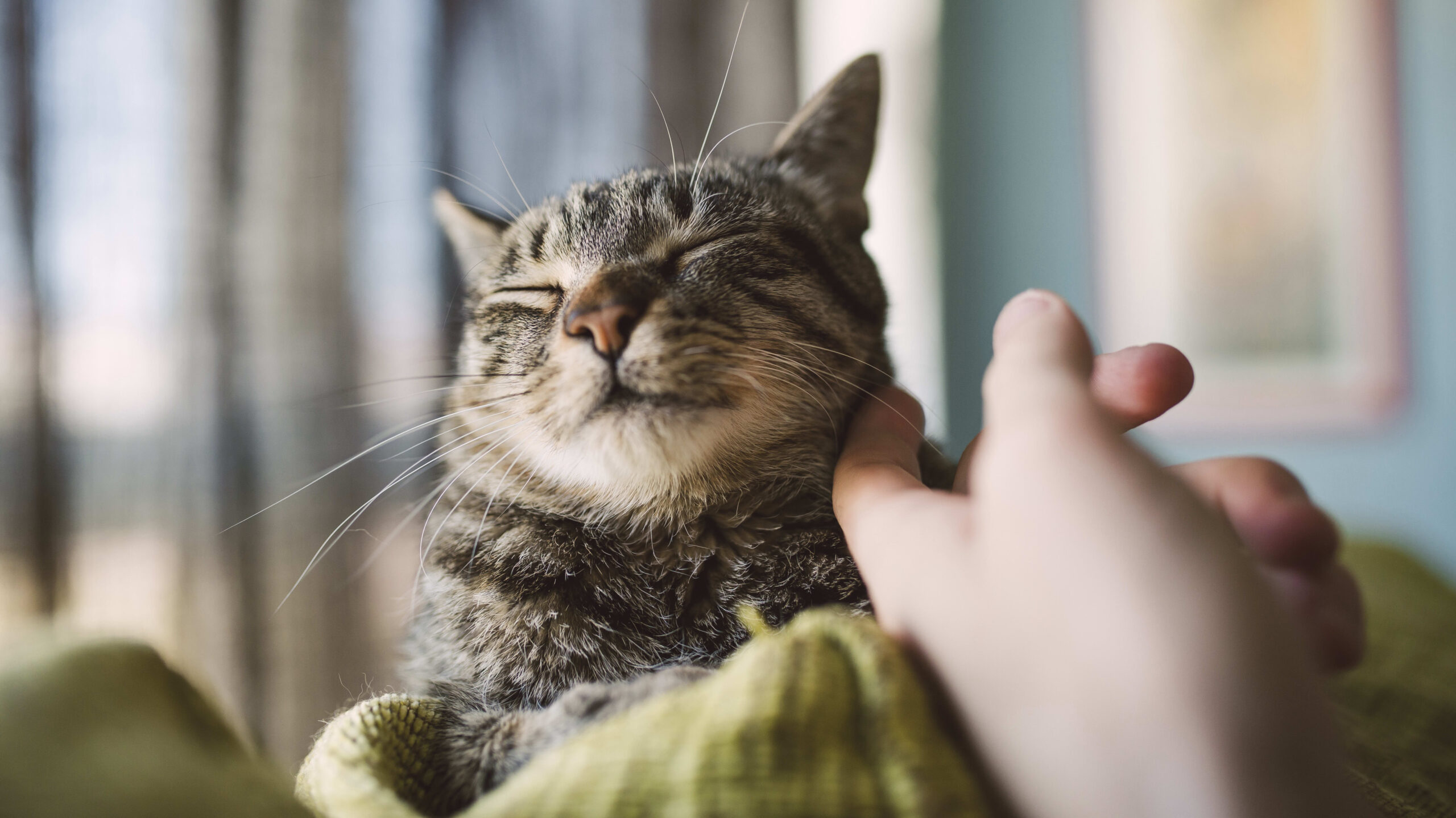
From reducing anxiety to slowing cognitive decline in older adults, cats offer more than companionship—they provide measurable mental health benefits and emotional resilience for their human caregivers.
For millions of pet owners, cats are more than companions—they are a source of emotional stability. Research from Harvard Health Publishing and studies cited by the American Psychiatric Association (APA) show that 84% of cat owners report positive effects on their mental health. Cats’ unique blend of independence and affection allows them to comfort without overwhelming attention, a quality especially meaningful for people navigating stress or social isolation.
“Gentle petting triggers oxytocin, the ‘bonding hormone,’ in both human and feline,” explains Laura Elin Pigott, professor of Neuroscience at London’s South Bank University, in The Conversation. “It’s vital that interactions respect the cat’s comfort—stress diminishes these benefits.”
The calming influence extends beyond touch. According to the Rutherford Veterinary Hospital, a cat’s purr, vibrating between 25 and 150 Hertz, can lower blood pressure, reduce heart rate, and increase serotonin and endorphin production. These biological effects help regulate mood while strengthening the bond between pet and caregiver.
Long-term studies suggest cognitive benefits as well. Data from 18 years of research involving 16,582 adults aged 50+ at the University of Geneva indicate that cat owners experience slower declines in verbal fluency, a key aspect of daily communication. Lead researcher Adriana Rostekova notes, “Cats often substitute part of a person’s social network, offering spontaneous companionship that supports mental resilience, especially in older adults.”
Physical and social benefits are also documented. Research in Elsevier and Harvard studies links cat ownership to reduced blood pressure, lower risk of heart disease, and even decreased incidence of allergies in children exposed early to feline dander. Daily routines of feeding, play, and care create purpose, structure, and opportunities for social connection, reinforcing overall well-being.
In moments of loneliness or crisis, cats provide natural emotional support. The American Psychological Association reports that 70% of adults facing emotional difficulties feel calmer after interacting with their cats. Brenau University research highlights that older adults living with cats report reduced loneliness and improved mental health, benefiting from the pet’s intuitive, untrained emotional support.
For many Latino families balancing work, caregiving, and community life, cats serve as accessible sources of comfort, stability, and joy. Beyond companionship, they offer measurable mental and physical health benefits—proof that a quiet presence can transform daily life.