

International Prenatal Infection Prevention Month: What Latina Moms Should Know

February marks International Prenatal Infection Prevention Month, a critical reminder that many pregnancy-related infections are preventable — and that awareness can protect both mother and baby.
For Latino families, who already face disparities in maternal health outcomes in the United States, prevention is not just medical advice — it’s empowerment.
According to the Centers for Disease Control and Prevention, infections such as cytomegalovirus (CMV), Zika, Listeria, influenza, and Group B strep can pose serious risks during pregnancy, including preterm birth, congenital disabilities, or miscarriage. Yet many of these infections can be reduced through simple daily precautions.
Why Prevention Matters
CMV alone is the most common infectious cause of birth defects in the U.S., but public awareness remains low. The CDC estimates that about 1 in 200 babies is born with congenital CMV. Meanwhile, outbreaks of foodborne illnesses like Listeria continue to be reported nationwide, disproportionately affecting pregnant women.
Dr. experts cited by UCR Health and the Stark Women’s Center emphasize that hygiene and food safety remain frontline defenses. That means frequent handwashing — especially after contact with young children’s saliva or diapers — avoiding unpasteurized dairy products, and thoroughly cooking meats.
Vaccines Protect Two Lives
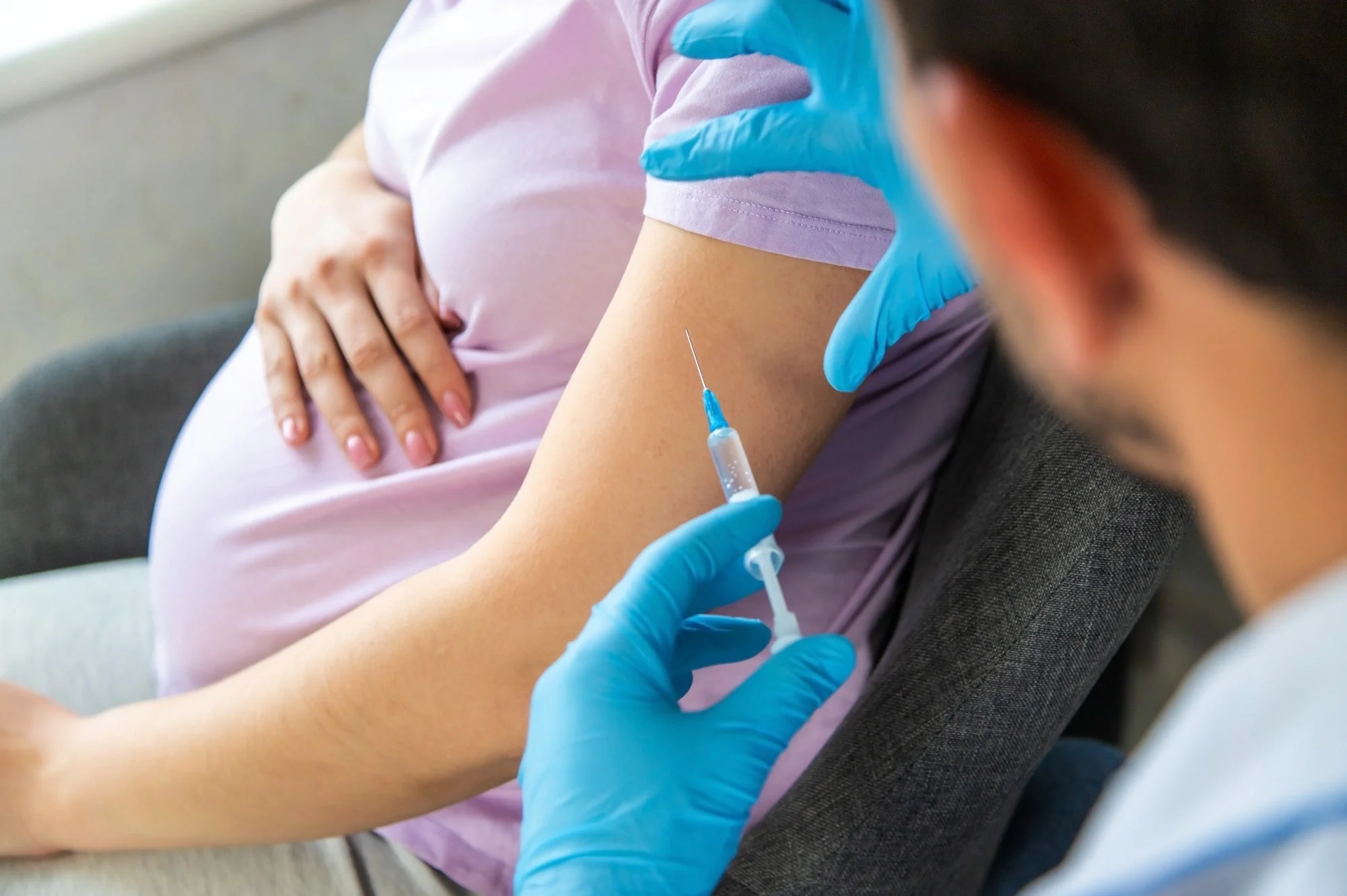
Health systems such as Arnot Health stress the importance of staying current on recommended maternal vaccines, including the flu shot and Tdap (tetanus, diphtheria, and pertussis). These vaccines do more than protect the mother — they pass antibodies to the baby before birth, offering early immunity in the first vulnerable months of life.
Everyday Habits That Reduce Risk
Medical providers including Capital Women’s Care advise pregnant patients to:
-
Avoid cleaning cat litter when possible (to reduce toxoplasmosis risk)
-
Skip raw seafood, deli meats unless heated, and unpasteurized cheeses
-
Wash fruits and vegetables thoroughly
-
Keep all prenatal appointments for screening and early detection
Meanwhile, Group B Strep International promotes the mnemonic “HYGIENE” to help families remember prevention basics — highlighting how education reduces anxiety.
A Community Health Issue
Latina mothers are more likely to experience barriers to prenatal care, including language access, transportation challenges, and insurance gaps. That makes community-based education essential. Federally qualified health centers and county public health departments often provide bilingual prenatal counseling and vaccine access regardless of immigration status.
International Prenatal Infection Prevention Month is not about fear — it’s about preparation. With accurate information, consistent prenatal care, and simple daily habits, most infection risks during pregnancy can be significantly reduced.
For families expecting a baby this year, prevention is one of the most powerful gifts you can give.