

Brush Before or After Coffee? What Dental Experts Say

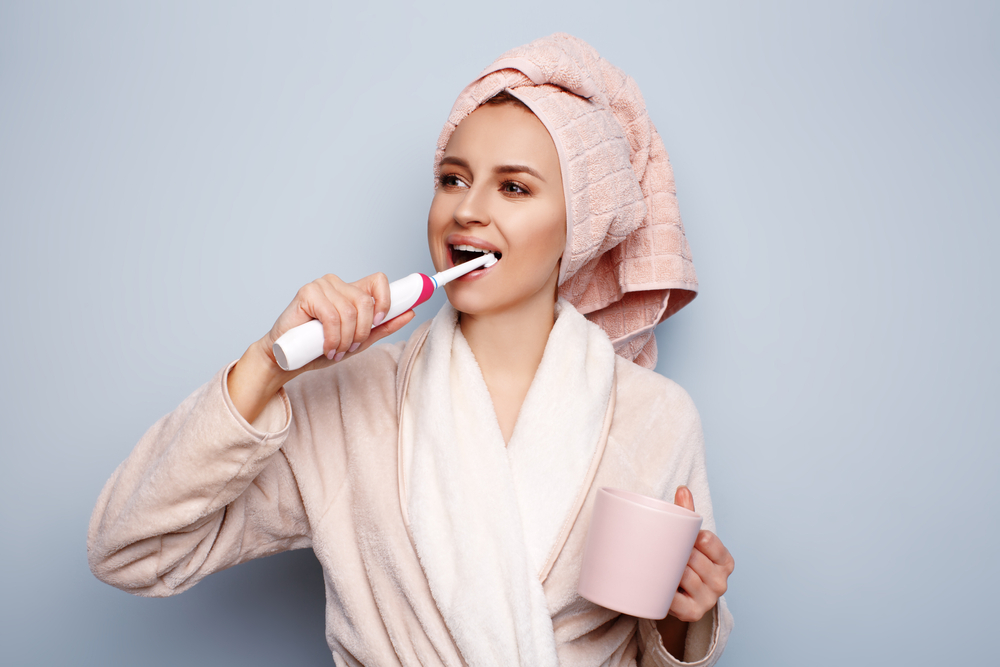
For millions of Latinos in the United States, coffee isn’t just a drink — it’s routine, energy, and the way the day begins. But that daily ritual also has oral health implications many people overlook. The real question isn’t whether to drink coffee — it’s when to brush your teeth to protect enamel and prevent stains and cavities.
Coffee contains tannins, compounds that contribute to tooth discoloration. Dentist Julie Cho of Metropolitan Dental Care in New York told Prevention that staining depends on frequency, type of coffee, and the natural porosity of a person’s teeth. “Contact time is crucial. If teeth are more porous, they’re more likely to stain,” she explained.
But the concern goes beyond appearance.
Acidity and Enamel: The Hidden Risk
Coffee is acidic, and that acidity can temporarily weaken tooth enamel. Matthew J. Messina, associate professor at the Ohio State University College of Dentistry, warns that frequent exposure to acidic beverages can increase tooth sensitivity and cavity risk.
Coffee can also contribute to dry mouth, reducing saliva that helps neutralize acids. Mark S. Wolff, dean of the University of Pennsylvania School of Dental Medicine, notes that adding sugar makes things worse: “Sugar feeds the bacteria that produce acids capable of softening enamel.”
Experts at the Harvard School of Dental Medicine emphasize that consistent brushing with fluoride toothpaste is essential to counteract the effects of beverages like coffee.
So, Before or After Coffee?
Most dental experts agree: brushing before coffee is safer.
Brushing upon waking removes plaque that accumulates overnight and creates a protective fluoride barrier. Brushing immediately after drinking coffee, however, may cause more harm because enamel is temporarily softened by acidity.
Messina recommends waiting 30 to 60 minutes before brushing if you choose to brush after coffee, allowing enamel time to remineralize.
Practical Tips to Protect Your Smile
-
Drink coffee in one sitting rather than sipping for hours.
-
Rinse your mouth with water afterward.
-
Consider adding milk to reduce staining potential.
-
Use fluoride toothpaste twice daily.
-
Keep up with regular dental checkups.
In Latino communities, where coffee is culturally significant and preventive dental care access gaps still exist according to federal public health data, small habit adjustments can make a meaningful difference.
The message isn’t to give up coffee. It’s to refine your routine.
Something as simple as brushing before your first sip can help protect enamel, reduce stains, and prevent costly dental problems down the road.