

CARYN CORTEZ: Behavioral Health Services Director

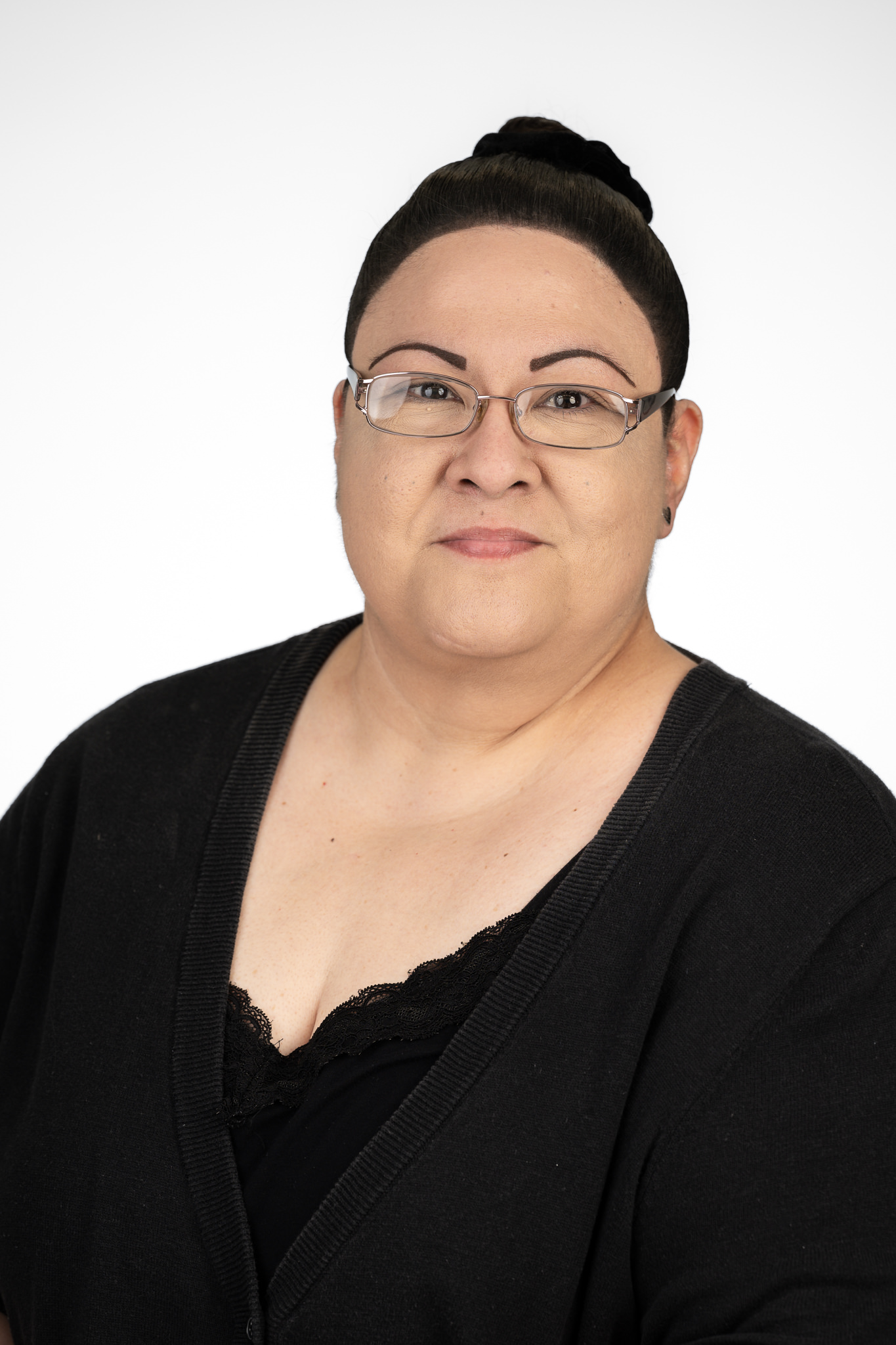
She sits with people in the moments most others turn away from—and helps them find their way through.
Why She Serves
Caryn’s commitment to this work is rooted in what she saw growing up.
She started in microbiology, drawn to understanding how things break down, how illness begins. But somewhere along the way, that curiosity shifted.
“I realized I wasn’t just interested in how people get sick,” she says. “I wanted to understand what happened in their lives that brought them there.”
That question changed everything. She went on to earn her Master of Social Work from California State University, Los Angeles, grounding her work in trauma-informed and family-centered care—an approach she continues to carry into her work today.
That instinct was shaped even earlier. Her mother was a nurse.“She cared,” Caryn says. “She made sure her patients were taken care of, no matter what it took.” Caring for patients who often had no one else to advocate for them. She held high standards, stayed consistent, and made sure every patient was treated with attention and dignity. That example shaped how Caryn approaches her work today.
“I learned early on that if you don’t show up, someone goes without,” she says.
Why Clínica Matters
Today, as Director of Behavioral Health, Caryn oversees how behavioral health services are delivered across the department, leading a team of clinicians, managing high-risk cases, and supporting patients through some of their most critical moments.
Her approach is clear. “If I take care of my clinicians, they will take care of the patients.” That principle continues to guide how the department functions and grows. Her focus has been to build that foundation. She has led efforts to update protocols, strengthen compliance, expand the clinical team, and create standardized processes that support day to day operations.
“I’ve always wanted to work with people who are vulnerable,” she says. “People who don’t always have access, who are dealing with more than what you see on the surface.”
That’s what she sees here. “You walk outside, and it’s right in front of you,” she says. “You see what people are going through.”
And inside the clinic, she knows there’s an opportunity to step in early, to support someone before things escalate, to help create a sense of stability where there isn’t any. That’s what keeps her here.
Why the Community Needs This Work
The need for behavioral health care isn’t slowing down, it’s intensifying.
Caryn and her team are seeing an increase in patients experiencing complex mental health challenges, including higher rates of suicidal ideation and crisis level situations. “These are serious cases,” she says.
At the same time, external factors are impacting how patients access care.
Concerns related to immigration enforcement have led some patients to avoid in person visits, shifting to phone or virtual services out of fear. But the impact doesn’t stop with one person. “It affects entire families,” Caryn explains.
Despite this, patients continue to seek care and rely on the clinic as a consistent source of support.
Why It Feels Different Here
The work Caryn does doesn’t end when the session does. “That’s something people don’t always see,” she says. “We take this work home with us.” Even after years in the field, the stories stay. The people stay.
Because for Caryn, this work is not about distance, it’s about connection.
It’s about sitting with someone in their hardest moments, helping them make sense of what they’re carrying, and guiding them toward something steadier.
With 16 years experience, Caryn leads with a focus on accountability, support, and shared responsibility. She also prioritizes developing her team.
That includes giving clinicians the space to learn, make decisions, and grow within a structured and supportive environment.
For Caryn, the work is demanding, but it is also meaningful.
“It’s a privilege to be trusted with people’s experiences and to help them navigate what they’re going through.”