

Trying to Get Pregnant? Why the Days Before Ovulation Matter Most

Knowing when you ovulate can improve your chances of pregnancy. But the most important days may come before ovulation, and tracking apps don’t always get the timing right.
You’re trying to get pregnant, so you open a fertility app and check the calendar. It predicts that you’ll ovulate on Thursday.
Should you wait until Thursday to have sex?
Not necessarily. In fact, waiting until the day of ovulation could mean missing some of your best opportunities to conceive.
The highest chances of pregnancy generally occur during the one or two days before ovulation, according to the American Society for Reproductive Medicine.
Understanding why can help people trying to conceive make better decisions without turning every menstrual cycle into a stressful schedule.
Why the days before ovulation matter
Ovulation happens when an ovary releases an egg.
After its release, the egg generally remains available for fertilization for about 12 to 24 hours. Sperm, however, can survive for up to five days inside the reproductive tract under favorable conditions.
That difference creates what fertility specialists call the fertile window: the five days before ovulation and the day ovulation occurs.
Having sex before ovulation allows sperm to be present when the egg is released.
For example, if ovulation occurs on day 14 of a menstrual cycle, the fertile window would generally include days 9 through 14.
But day 14 is only an illustration. Not everyone ovulates on the same cycle day, and ovulation can shift from month to month.
The goal is to identify your fertile window, not to rely on a single supposedly perfect day.
How often should you have sex?
The American Society for Reproductive Medicine recommends intercourse every one to two days during the fertile window for the highest chances of conception.
However, intercourse two to three times a week can produce nearly comparable results.
That means couples do not necessarily need to have sex every day or follow a rigid schedule.
For many people, having intercourse regularly throughout the cycle is a practical alternative to predicting the exact day of ovulation.
Timing can improve the chances of conception, but it cannot guarantee pregnancy.
How can you tell when you’re ovulating?
Several methods can help identify fertile days, although none is perfectly accurate.
Ovulation predictor kits. These home urine tests detect a rise in luteinizing hormone, or LH, which usually occurs shortly before ovulation. A positive result suggests ovulation may happen within approximately 24 to 48 hours.
Having sex on the day of a positive test and the following day can help cover this period. But the test predicts an LH surge; it does not confirm that an egg was released.
Cervical mucus. As ovulation approaches, cervical mucus often becomes clearer, wetter and more slippery. These changes can help identify days when pregnancy is more likely.
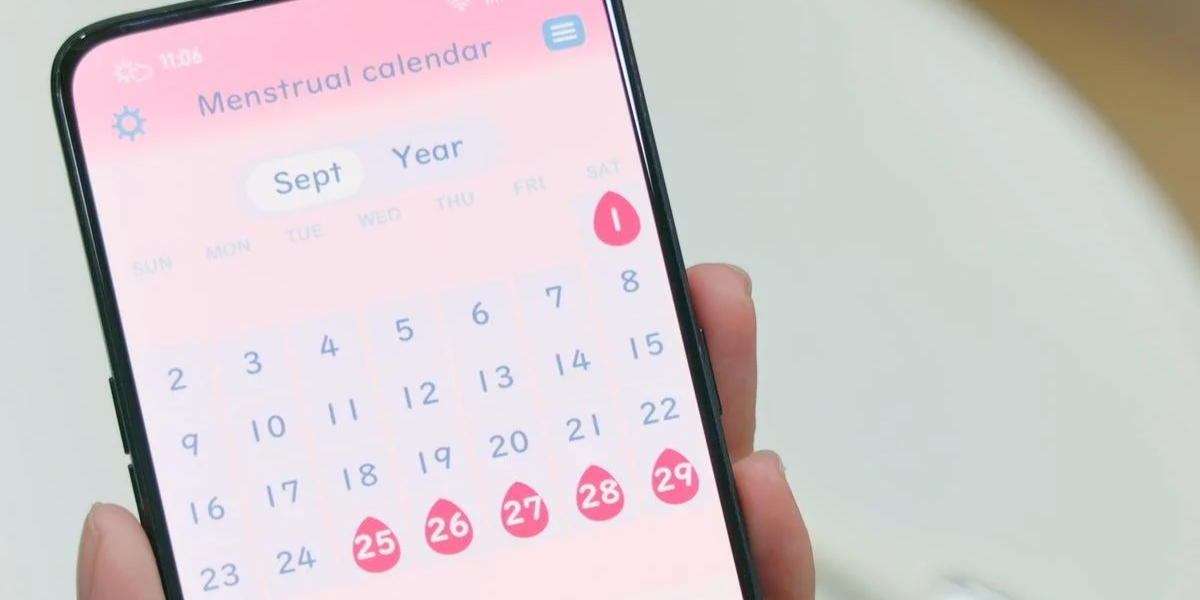
Menstrual calendars and fertility apps. These tools estimate ovulation using previous cycle lengths. They may help identify patterns, but predictions can be inaccurate, especially when cycles vary.
Basal body temperature. Body temperature typically rises slightly after ovulation. Tracking it may help recognize patterns over time, but the temperature rise generally occurs too late to identify the best days for intercourse in that cycle.
People with irregular periods may find calendar-based predictions particularly unreliable.
What if you time everything correctly but don’t get pregnant?
Even when intercourse occurs during the fertile window, pregnancy does not happen every cycle.
Age, sperm health, ovulation, fallopian tube function and other reproductive factors can affect conception.
A negative pregnancy test does not necessarily mean you miscalculated ovulation.
Fertility specialists generally recommend seeking an evaluation after 12 months of trying if the person attempting pregnancy is younger than 35, or after six months if they are 35 or older.
People over 40, those with irregular or absent periods, and those with known reproductive concerns may benefit from an earlier evaluation.
A fertility assessment should consider both partners when applicable, rather than assuming the problem involves the person who ovulates.
What else can help before pregnancy?
Timing intercourse is only one part of preparing for pregnancy.
People planning to conceive should discuss medications, chronic health conditions, vaccinations and relevant lifestyle factors with a healthcare professional.
For most people who could become pregnant, taking 400 micrograms of folic acid daily before conception helps reduce the risk of certain serious birth defects.
If you’re having difficulty identifying your fertile days, a clinician can help determine whether ovulation testing or further evaluation is appropriate.
Getting pregnant isn’t about finding one magical day. It’s about understanding the fertile window, giving yourself several opportunities to conceive and knowing when to ask for help.