

You Don’t Need a Gym to Help Control Blood Sugar. Here’s What Works

Short walks after meals, movement breaks, and community activities can help people prevent or manage Type 2 diabetes without expensive equipment or a gym membership.
A gym membership costs money. Getting there takes time. And after a long workday, another hour away from home may be the last thing someone wants.
But managing blood sugar doesn’t have to mean buying exercise equipment, signing up for fitness classes, or becoming a runner.
A walk after dinner, dancing at home, or moving around during a work break can help. For people with prediabetes or Type 2 diabetes, regular physical activity can improve how the body uses blood sugar.
The important question isn’t whether you can afford a gym. It’s what kind of movement you can realistically make part of your day.
Why a short walk after dinner can help
After eating, blood sugar naturally rises as the body digests carbohydrates. Physical activity helps muscles use glucose for energy, which can reduce the rise in blood sugar after a meal.
Research suggests that even short walks can make a difference.
In a 2016 randomized crossover study, 41 adults with Type 2 diabetes had lower post-meal blood sugar when they walked for 10 minutes after each main meal than when they walked for 30 minutes at an unspecified time each day.
Another small study of older adults found that three 15-minute walks after meals improved blood sugar control, with particular benefits after dinner.
These findings don’t mean everyone needs to walk after every meal. They show that the timing of movement can matter.
For someone starting out, a 10- or 15-minute walk after dinner may be a manageable option. Walking indoors can also work when outdoor conditions are unsafe or inconvenient.
The American Diabetes Association’s 2026 guidelines recommend that most adults with diabetes work toward at least 150 minutes of moderate-to-vigorous aerobic activity each week, adjusted for individual health needs.
That is a longer-term goal, not a requirement to complete on the first day.
Movement doesn’t have to look like exercise
Walking is useful, but it isn’t the only option.
Dancing to music at home, gardening, swimming, and other activities that get the body moving can contribute to better health.
People who spend long periods sitting can also benefit from brief movement breaks. The ADA recommends interrupting prolonged sitting at least every 30 minutes when possible.
Other research sugests doing five-minute walking breaks, which found benefits for energy, mood, and blood sugar regulation.
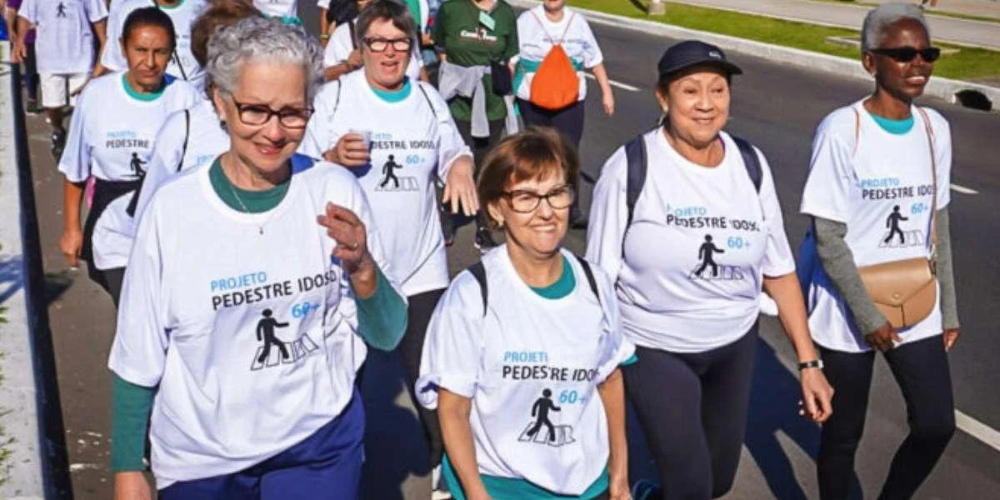
For people who enjoy company, neighborhood walking groups can provide a reason to get outside regularly. A friend, relative, or neighbor may be all that’s needed to establish a routine.
Community recreation centers may offer another option. Some provide walking activities, dance classes, or low-cost fitness programs. Availability and fees vary, so check with the center before making plans.
And if walking isn’t comfortable or possible, seated exercises or other adapted activities may be appropriate. A healthcare professional or physical therapist can help identify safe alternatives.
A practical way to get started
You don’t need to change your entire schedule at once.
Try building movement around something you already do:
- After a meal: Start with a short walk at a comfortable pace.
- During work: Stand, stretch, or move briefly when your duties allow.
- At home: Dance, walk indoors, or try an activity suited to your mobility.
- With others: Arrange a regular neighborhood walk or explore classes at a nearby recreation center.
Gradually increase your activity as you feel comfortable. Moderate activity generally means breathing faster while still being able to talk.
People taking insulin or certain diabetes medications should ask their healthcare team how to prevent low blood sugar during and after exercise. Those with foot problems, significant balance difficulties, heart conditions, or other complications may need individualized precautions.
Physical activity supports diabetes care. It doesn’t replace medication, blood sugar monitoring, or medical appointments.
For Los Angeles residents, the Department of Recreation and Parks is a starting point for finding neighborhood recreation centers and asking about current activities, costs, and accessibility.
You can also ask your healthcare provider about diabetes education or a structured prevention program.
The goal isn’t to exercise perfectly. It’s to find opportunities to move that fit your health, your budget, and your responsibilities.
A short walk after dinner won’t solve every problem. But it can be one useful part of managing blood sugar, without a gym membership.