

Pregnant? Don’t Skip the Dentist. Your Baby’s Teeth May Benefit, Too

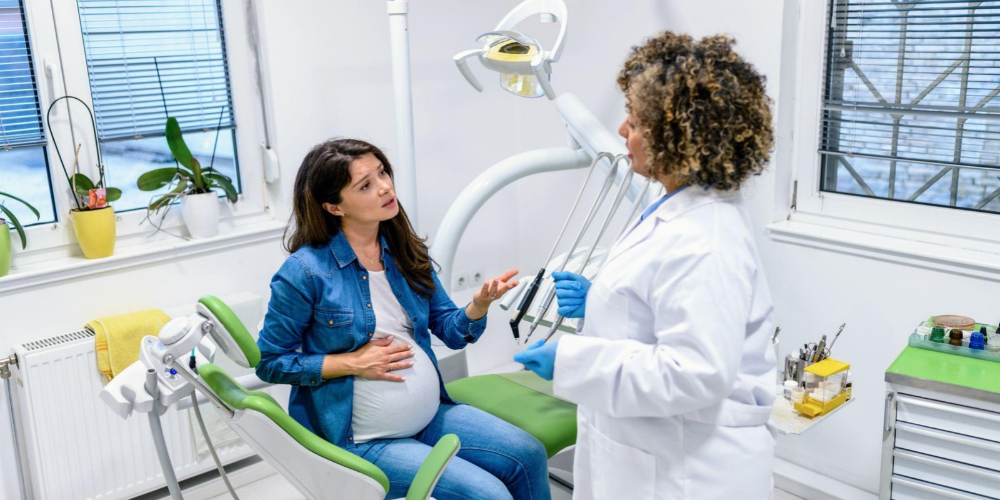
Dental care during pregnancy is safe and important. Learn how to protect your teeth, reduce your baby’s risk of cavities, and find dental care through Medi-Cal.
Pregnancy brings plenty of medical appointments, but the dentist shouldn’t be one you skip.
Some expectant parents worry that dental X-rays, anesthesia, or treatment for a cavity could harm their baby. Others assume they should wait until after delivery.
The American Dental Association says preventive and necessary dental treatment is safe throughout pregnancy. Delaying care for a cavity or infection can allow the problem to become more serious.
Taking care of your teeth also matters after your baby arrives. Parents and other caregivers can pass bacteria associated with tooth decay through saliva, making everyday oral hygiene an important part of protecting a child’s first teeth.
Why dental care matters during pregnancy
Pregnancy can affect your mouth in ways you might not expect.
Hormonal changes can make gums more sensitive to plaque, increasing the likelihood of swelling, tenderness, and bleeding. This condition, known as pregnancy gingivitis, is common and treatable.
Morning sickness can create another problem. Frequent vomiting exposes teeth to stomach acid, which can weaken enamel over time.
Changes in eating habits, including frequent snacking or sugary drinks, may also increase cavity risk.
These changes don’t mean pregnancy inevitably damages your teeth. They mean regular brushing, flossing, and dental care become especially important.
If you experience vomiting, rinse your mouth with water mixed with a small amount of baking soda to help neutralize acid. Wait before brushing so you don’t scrub enamel immediately after acid exposure.
Is it safe to get a filling or dental X-ray?
Yes. Necessary dental treatment can generally be performed during pregnancy.
According to the American Dental Association, dental X-rays, local anesthesia, fillings, and treatments for dental infections can be provided when medically appropriate.
Tell your dentist that you’re pregnant and discuss any medications or health concerns before treatment.
You may have heard that pregnancy causes women to lose a tooth for every baby. That is a myth.
Pregnancy can increase certain oral health risks, but tooth loss is not an inevitable consequence of having children.
Untreated dental infections can become painful and serious. Don’t assume waiting until after delivery is safer.
How cavity-causing bacteria can reach your baby
Babies aren’t born with the same collection of oral bacteria they develop as they grow.
Some bacteria associated with tooth decay can pass from adults to children through saliva.
That can happen when a caregiver shares a spoon, puts a baby’s pacifier in their own mouth to clean it, or shares food that has been in their mouth.
But sharing a spoon does not automatically give a child cavities.
Tooth decay develops through several interacting factors, including bacteria, frequent exposure to sugars, and the condition of the teeth.
Parents who have untreated cavities may carry higher levels of cavity-associated bacteria. Maintaining their own oral health can help reduce one potential source of exposure.
This isn’t only a mother’s responsibility. Fathers, grandparents, and other caregivers can also share oral bacteria and help establish healthy habits.
Normal affection, including hugging and kissing a baby, should not become a source of fear or blame.
How to protect your baby’s first teeth
Good dental habits begin before a child can brush independently.
Once the first tooth appears, gently brush it twice a day with a soft, age-appropriate toothbrush and a smear of fluoride toothpaste about the size of a grain of rice.
For children ages three through six, use a pea-sized amount and supervise brushing.
Avoid putting a baby to bed with a bottle containing milk, formula, juice, or other sugary liquids. Frequent exposure to sugars can contribute to tooth decay.
Offer water instead of sugary drinks when age-appropriate, and avoid sharing utensils or cleaning pacifiers with your mouth.
The American Academy of Pediatric Dentistry recommends a child’s first dental visit when the first tooth appears or no later than the first birthday.
That early appointment gives families an opportunity to discuss brushing, fluoride, feeding habits, and cavity prevention before problems develop.
Pregnancy is not a reason to avoid dental care. Treating problems early can protect your oral health, while healthy habits at home can help lower your child’s risk of cavities.
You don’t have to do everything perfectly. Regular dental visits, brushing with fluoride toothpaste, and a few everyday precautions can make a meaningful difference for your family.