

A Mouth Sore That Won’t Heal? Know the Warning Signs of Oral Cancer

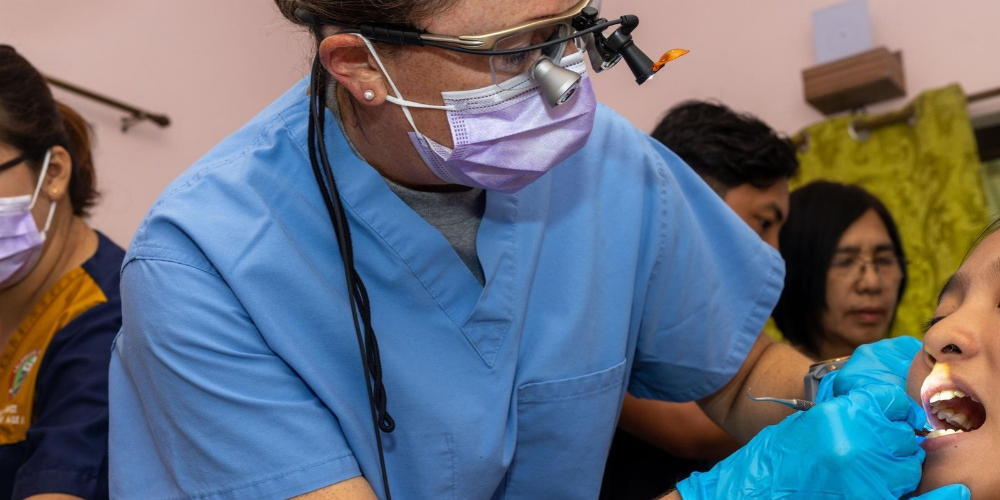
Some mouth changes may be harmless, but others need medical attention. Learn which symptoms to watch for, how tobacco increases cancer risk, and what scientists know about vaping.
A sore inside your mouth may seem like a minor irritation. Perhaps you bit your cheek, burned your tongue, or developed a canker sore. Most heal on their own.
But a sore that doesn’t heal, a persistent white or red patch, or an unexplained lump could be a warning sign of oral cancer.
If a change in your mouth lasts longer than two weeks, make an appointment with a dentist or doctor. You don’t need to wait until it hurts.
Smoking and chewing tobacco are established causes of oral cancer. Recognizing symptoms, avoiding tobacco, and seeking timely care can help protect your health.
Six warning signs you shouldn’t ignore
Oral cancer can develop on the lips, tongue, gums, inner cheeks, or other tissues inside the mouth.
According to the National Institute of Dental and Craniofacial Research, possible warning signs include:
- A sore that doesn’t heal. An ulcer or irritated area that remains after two weeks deserves attention.
- Red or white patches. Unusual changes in the color or appearance of mouth tissue should be evaluated if they persist.
- A lump or thickened area. An unexplained growth or swelling in the mouth, lip, or neck may need examination.
- Unusual bleeding or numbness. Bleeding without an obvious cause or persistent loss of sensation can be a warning sign.
- Difficulty chewing or swallowing. Persistent discomfort or trouble moving the tongue or jaw should not be ignored.
- Ongoing mouth or throat pain. Pain that doesn’t improve, particularly when accompanied by other symptoms, warrants medical attention.
These symptoms do not necessarily mean cancer. Infections, injuries, and other conditions can cause similar changes.
The important distinction is whether the problem persists, worsens, or has no clear explanation.
How smoking and chewing tobacco increase cancer risk
Tobacco contains chemicals that can damage cells and contribute to cancer development.
Cigarettes and cigars increase the risk of cancers affecting the mouth and throat. Smokeless tobacco products, including chewing tobacco and snuff, also expose mouth tissues to cancer-causing substances.
Keeping chewing tobacco against the gums or cheeks does not make it safer than smoking.
Alcohol is another established risk factor. People who both smoke and drink heavily face particularly high risks of certain head and neck cancers.
Some throat cancers, especially those affecting the tonsils and base of the tongue, are linked to human papillomavirus (HPV). These are called oropharyngeal cancers and are distinct from cancers arising inside the mouth.
Not everyone diagnosed with oral cancer has used tobacco. That is why persistent symptoms deserve attention regardless of smoking history.
What about vaping?
Electronic cigarettes expose the mouth and respiratory system to aerosols containing nicotine and other substances, depending on the product.
Vaping can contribute to oral health problems, including dry mouth and irritation. Researchers are also studying its effects on gum health and other oral tissues.
But an important distinction remains: the long-term evidence linking vaping directly to oral cancer is not as established as the evidence for smoking or chewing tobacco.
That does not mean vaping is harmless. It means the science should not be overstated.
People who smoke and want to quit should seek evidence-based cessation support. Switching products without a plan may leave nicotine dependence unresolved, and using cigarettes and e-cigarettes together does not eliminate smoking-related risks.
What happens if you notice a suspicious change?
Start by scheduling an appointment with a dentist or healthcare professional.
They may examine your mouth, tongue, gums, and throat, ask about your symptoms and tobacco use, and determine whether further evaluation is necessary.
If an area looks suspicious, a clinician may recommend a biopsy, which involves examining a small tissue sample to determine whether cancer cells are present.
A visual examination alone cannot confirm cancer.
Finding a problem early may allow treatment to begin before the disease becomes more advanced.
If symptoms are severe, rapidly worsening, or interfere with breathing or swallowing, seek urgent medical care rather than waiting two weeks.
How to lower your risk
Avoiding tobacco is one of the most important steps you can take.
Quitting smoking or smokeless tobacco reduces the risk of tobacco-related cancers over time. Limiting alcohol consumption can also reduce risk.
Staying current with recommended HPV vaccination can help prevent infections responsible for several HPV-related cancers.
Regular dental visits provide another opportunity for a professional to notice unusual changes in your mouth, although they do not guarantee that every cancer will be detected.
A persistent mouth sore, unexplained lump, or unusual patch should never be dismissed simply because it doesn’t hurt.
Most mouth changes are not cancer, but a professional examination can help determine what is causing them.
If a suspicious change lasts more than two weeks, get it checked. And if you use tobacco, quitting is one of the most effective ways to reduce your future cancer risk.