

You Can’t Naturally Restore Lost Vision, But These Proven Habits Can Help Protect Your Eyesight

Social media is full of videos promising to “restore perfect vision naturally” through eye exercises, supplements, or special routines. While these claims are appealing, eye specialists say the science tells a different story.
According to the American Academy of Ophthalmology (AAO) and the Mayo Clinic, there is currently no scientific evidence that natural exercises, vitamins, or home remedies can reverse common vision problems such as nearsightedness, farsightedness, or the structural changes that occur with aging.
That does not mean your daily habits are unimportant.
Research shows that certain lifestyle choices can help protect your eyes, reduce the risk of serious eye disease, and slow the progression of some age-related conditions.
Why most vision loss cannot be reversed naturally
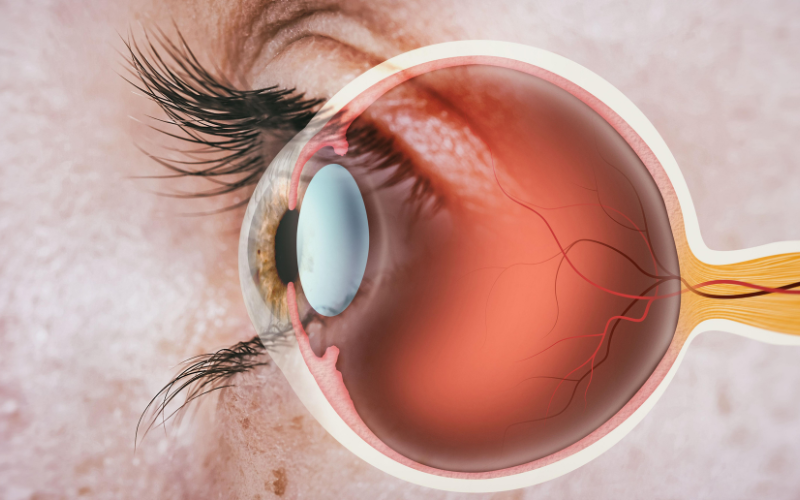
Many common vision problems are caused by the physical structure of the eye.
For example:
- Nearsightedness occurs when the eyeball is too long or the cornea is too curved.
- Farsightedness develops when the eye is too short.
- Astigmatism results from an irregularly shaped cornea.
Because these conditions involve the eye’s anatomy, eye exercises cannot permanently reshape the eye or restore sharp vision.
Likewise, aging causes gradual structural changes inside the eye that cannot currently be reversed through diet or exercise alone.
Scientists are working on future treatments
Researchers continue exploring new ways to regenerate damaged eye tissue.
One promising area involves cellular reprogramming, where scientists have restored some vision in laboratory animals by reprogramming retinal cells. Research conducted at Harvard Medical School has generated excitement about the future of regenerative eye medicine.
However, these treatments remain experimental and have not yet been proven safe or effective in humans.
Experts caution against confusing promising laboratory research with therapies currently available to patients.
When blurry vision can improve
Not every episode of blurry vision signals permanent damage.
Temporary vision changes may improve if they are caused by:
- Eye strain from prolonged screen use
- Dry eyes
- Fatigue
- Mild vitamin deficiencies diagnosed by a healthcare provider
In these cases, rest, artificial tears, improved nutrition, or treating the underlying condition may restore normal vision.
Persistent or worsening blurry vision should always be evaluated by an eye care professional.
Proven ways to protect your eyesight
Although natural remedies cannot reverse structural vision loss, several healthy habits have been shown to reduce the risk of serious eye disease.
Eat foods that support retinal health
A healthy diet provides nutrients your eyes need to function properly.
Experts recommend eating:
- Spinach
- Kale
- Swiss chard
- Broccoli
- Salmon
- Sardines
- Tuna
- Walnuts
These foods contain lutein, zeaxanthin, and omega-3 fatty acids, nutrients associated with healthier retinas and reduced risk of age-related eye disease.
AREDS2 supplements may help certain patients
One of the strongest pieces of evidence comes from the Age-Related Eye Disease Study 2 (AREDS2), funded by the National Eye Institute.
Researchers found that a specific combination of nutrients can help slow the progression of intermediate age-related macular degeneration (AMD) into advanced disease.
The AREDS2 formula includes:
- Vitamin C
- Vitamin E
- Lutein
- Zeaxanthin
- Zinc
- Copper
These supplements are not recommended for everyone and are intended for people with certain stages of AMD after consultation with an eye care professional.
They do not prevent normal aging or eliminate the need for glasses.
Quit smoking
Smoking damages blood vessels throughout the body, including those that supply the eyes.
According to the AAO and Mayo Clinic, smokers face a significantly higher risk of developing:
- Macular degeneration
- Cataracts
- Damage to the optic nerve
Quitting smoking is one of the most effective ways to protect long-term eye health.
Wear sunglasses outdoors
Ultraviolet (UV) radiation causes cumulative damage over time.
Experts recommend sunglasses that block 100% of both UVA and UVB rays whenever spending extended time outdoors.
Quality UV protection may reduce the long-term risk of cataracts and other eye conditions.
Don’t skip regular eye exams
Many serious eye diseases—including glaucoma, diabetic retinopathy, and early macular degeneration—can develop without noticeable symptoms.
Routine eye exams allow doctors to detect problems before permanent vision loss occurs.
For adults with diabetes, high blood pressure, or a family history of eye disease, regular examinations are especially important.
There is no scientifically proven natural method to reverse nearsightedness, farsightedness, or most age-related vision loss. But that does not mean you are powerless.
Healthy nutrition, quitting smoking, protecting your eyes from ultraviolet light, managing chronic diseases, and following your eye doctor’s recommendations can all help preserve vision as you age.
The goal is not chasing miracle cures. It is protecting the eyesight you have for as long as possible.