

Heart Disease Is the No. 1 Killer of Men: Why It Starts Earlier and How to Lower Your Risk

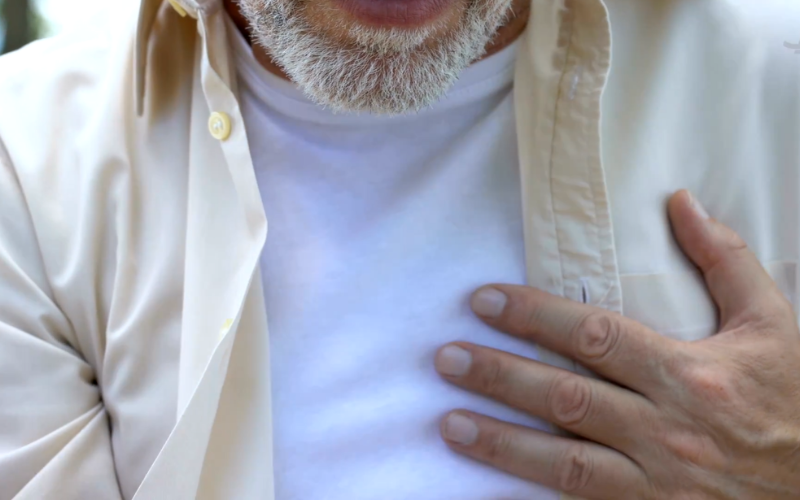
Heart disease remains the biggest health threat facing men today. According to the World Health Organization (WHO), cardiovascular disease is the leading cause of death globally, claiming nearly 20 million lives each year. Heart attacks and strokes account for most of those deaths.
What makes this especially concerning for men is that cardiovascular disease often develops years earlier than it does in women. Research suggests men begin showing elevated cardiovascular risk significantly earlier in adulthood, creating a longer window for heart disease to develop silently.
Cardiovascular disease is not a single illness. It includes conditions such as:
- Coronary heart disease
- High blood pressure (hypertension)
- Stroke
- Heart failure
- Peripheral artery disease
According to the WHO, the biggest drivers of cardiovascular disease include tobacco use, unhealthy diets, physical inactivity, obesity, high cholesterol, diabetes, and high blood pressure.
Many men do not seek preventive medical care regularly, which means high blood pressure, elevated cholesterol, and early artery damage often go undetected for years. By the time symptoms appear, significant damage may already have occurred.
Key Takeaways
Men should know:
- Heart disease is the leading cause of death worldwide.
- Men typically develop cardiovascular disease earlier than women.
- High blood pressure is one of the most important risk factors.
- Many cardiovascular conditions develop without obvious symptoms.
- Most heart disease risk factors are preventable or manageable.
Heart disease does not affect every community the same way.
Many Latino men face challenges that can increase cardiovascular risk, including:
- Limited time for preventive care because of work schedules
- Lack of regular access to healthcare
- Financial stress
- Higher rates of untreated diabetes in some communities
- Language and healthcare navigation barriers
These factors do not guarantee heart disease, but they can make early detection more difficult.
For families, prevention is often the most powerful tool. A routine blood pressure check or cholesterol screening can identify risks years before a heart attack or stroke occurs.
Warning Signs Men Should Never Ignore
Heart disease often develops quietly. However, symptoms that require medical attention may include:
- Chest pain or pressure
- Shortness of breath
- Pain in the arms, shoulder, jaw, or back
- Dizziness or fainting
- Sudden weakness or numbness
- Difficulty speaking
- Unexplained fatigue
The WHO notes that for many people, a heart attack or stroke may be the first sign of underlying cardiovascular disease.
The good news is that most cardiovascular disease can be prevented or delayed through lifestyle changes and early treatment. According to global health experts, the most effective steps include:
Know Your Numbers
Get regular screenings for:
- Blood pressure
- Cholesterol
- Blood sugar
Move More
Aim for regular physical activity throughout the week.
Improve Nutrition
Eat more fruits, vegetables, whole grains, and lean proteins while reducing excess salt, sugar, and highly processed foods.
Quit Smoking
Tobacco use remains one of the biggest preventable cardiovascular risk factors.
Manage Stress
Chronic stress can contribute to high blood pressure and other health challenges.
Establish a Primary Care Relationship
Preventive visits can identify problems long before symptoms appear.
Healthcare providers across California continue emphasizing preventive care as part of Men’s Health Month and broader efforts to reduce chronic disease.
As cardiovascular disease rates remain high nationwide, experts increasingly stress earlier screening for men, particularly those with family histories of heart disease, high blood pressure, diabetes, or smoking exposure.
The biggest lesson is simple: heart disease is often preventable, but only if it is detected before a crisis occurs.
For many men, the most important step is not a major lifestyle overhaul. It is scheduling that first checkup.
A blood pressure reading today could help prevent a heart attack years from now.