

Your Mouth Could Be Disrupting Your Sleep Without You Knowing

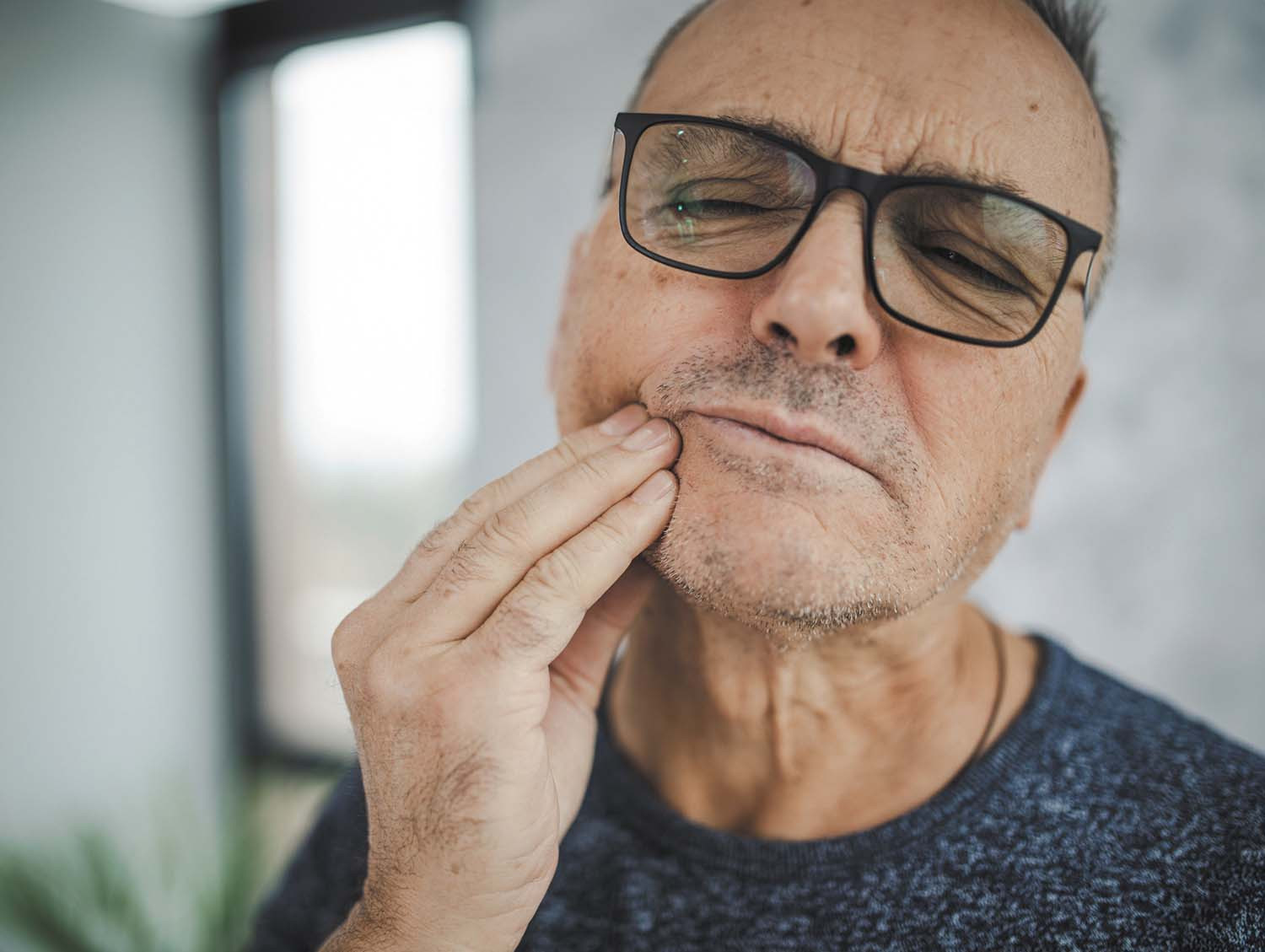
Experts warn that inflamed gums, teeth grinding, and dry mouth may signal sleep disorders linked to heart and metabolic health
Jaw pain, dry mouth upon waking, or bleeding gums are often dismissed as minor issues. But health experts say these symptoms can be early warning signs of deeper problems that disrupt sleep quality and, over time, impact overall health.
The link between oral health and sleep is gaining increasing attention in medical research. Organizations like the American Dental Association and the American Academy of Sleep Medicine confirm that oral conditions are closely tied to sleep disorders, including obstructive sleep apnea, a condition that repeatedly interrupts breathing during the night.
“The mouth is a direct window into what’s happening while we sleep,” says Ana Paula Cupertino, a behavioral health researcher. “Inflammation, dryness, or tooth wear often reflect the cumulative effects of fragmented sleep or undiagnosed breathing issues.”
Oral warning signs you should not ignore
One of the most common is bruxism, or involuntary teeth grinding. According to the American Academy of Sleep Medicine, this can occur when airways narrow during sleep, triggering the body to react in order to restore airflow. The result is disrupted sleep and gradual damage to tooth enamel.
Dry mouth is another key signal. Sleeping with the mouth open, common among people with nasal congestion or sleep apnea, reduces saliva production and creates an environment where bacteria thrive. This increases the risk of cavities, bad breath, and infections. The FDI World Dental Federation warns that gum disease does not just affect oral health, it also raises overall inflammation in the body, which is linked to cardiovascular disease.
Even nighttime tooth pain can interfere with rest. Research published in The Lancet shows that inflammatory responses intensify at night, increasing pain sensitivity and making it harder to reach deep, restorative sleep stages.
A two-way relationship
The connection between oral health and sleep works both ways. Oral problems can disrupt sleep, but sleep disorders can also worsen oral health. Conditions like sleep apnea and chronic mouth breathing contribute to tooth wear, dryness, and higher risk of infection.
Data from the Centers for Disease Control and Prevention estimates that millions of adults in the United States live with undiagnosed sleep apnea, a condition that disproportionately affects communities with limited access to healthcare, including many Latino families.
For these communities, gaps in preventive care often mean symptoms go unnoticed until they become more serious. “This is not just about brushing and flossing,” Cupertino adds. “It’s about access to care, education, and better coordination between dental and sleep specialists.”
What to do and when to seek help
Experts recommend paying attention to persistent symptoms such as dry mouth upon waking, snoring, jaw pain, or bleeding gums. Maintaining a consistent oral hygiene routine before bed, staying hydrated, and prioritizing nasal breathing can support both oral health and better sleep.
In some cases, studies published in the Journal of Dental Sleep Medicine point to targeted treatments under professional supervision, including oral devices or therapies that improve nighttime breathing.
The key message from experts is clear: do not treat these symptoms in isolation. Seeing both a dentist and a sleep specialist can make the difference between ongoing sleep disruption and truly restorative rest.