

Postpartum Depression Can Last Years—Why Early Screening Isn’t Enough

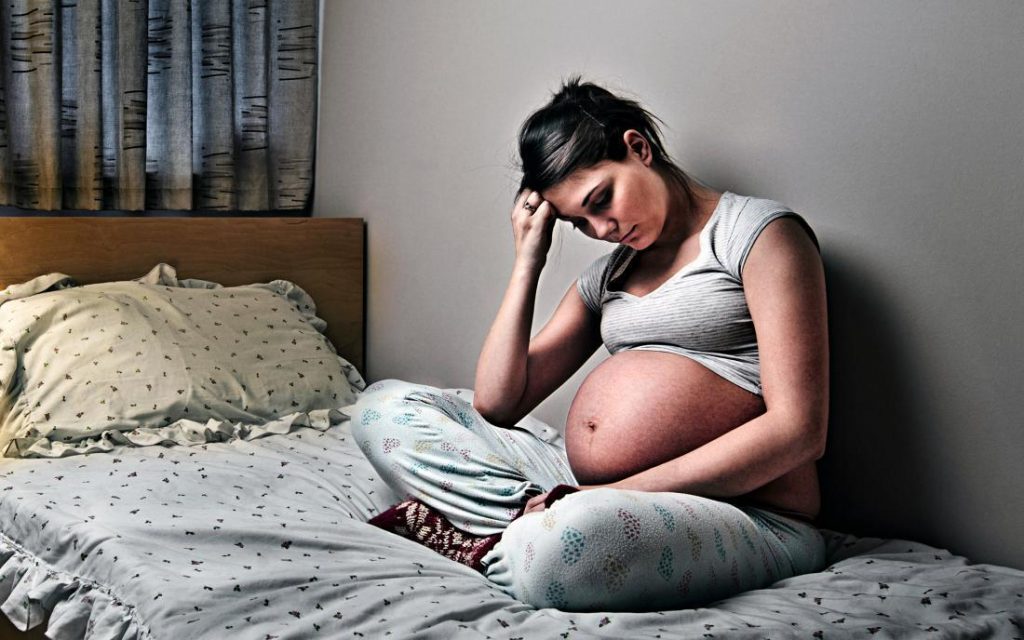
Postpartum depression is often described as a short-term condition that fades within months. But new research is challenging that assumption, showing that for some women, symptoms can persist for years after childbirth—especially without treatment.
A large-scale study backed by the National Institutes of Health tracked more than 4,500 women and found that while many recover within the first year, about 1 in 20 experience long-lasting, high-level symptoms lasting up to three years.
“We need to rethink how we monitor maternal mental health,” said Dr. Sarah Klein, a maternal health researcher not involved in the study. “Six-month screenings miss a significant group of women who continue to struggle long after the postpartum period.”
What the Data Shows
-
Symptoms can last years: A small but critical group experiences persistent depression up to three years postpartum.
-
Not always immediate: While symptoms often begin within 2 to 6 weeks, they can appear as late as six months after birth.
-
Gradual improvement: Even in long-term cases, symptoms may ease over time—but not fully disappear without care.
According to the National Institute of Mental Health, untreated postpartum depression rarely resolves on its own and can evolve into chronic depression, affecting both mother and child.
Why Some Women Struggle Longer
Experts point to a combination of biological, emotional, and social factors. Women with a history of mood disorders, high stress, or pregnancy-related complications like gestational diabetes face higher risks of prolonged symptoms.
Access to care also plays a decisive role. The Mayo Clinic emphasizes that early treatment—therapy, medication, or both—can significantly reduce the duration and severity of postpartum depression.
But barriers remain. Cost, stigma, language access, and lack of culturally competent care can delay treatment—particularly in underserved communities.
Why This Matters Now
Postpartum depression doesn’t just affect mothers—it shapes entire families. Studies show untreated symptoms can impact infant bonding, child development, and long-term family stability.
Yet many health systems still rely on a single screening within the first few months after birth.
“We would never treat other chronic conditions this way,” Dr. Klein noted. “Maternal mental health deserves the same long-term attention.”
A Shift Toward Ongoing Care
The research underscores a growing consensus: postpartum care should not end after a few checkups. Instead, experts are calling for extended screening, continuous support, and better access to mental health services well beyond the first year after childbirth.
For families navigating new parenthood, the message is clear—if symptoms persist, help is not only available, it’s essential.