

Los Angeles Allergy Season: What Latino Families Should Know in 2026

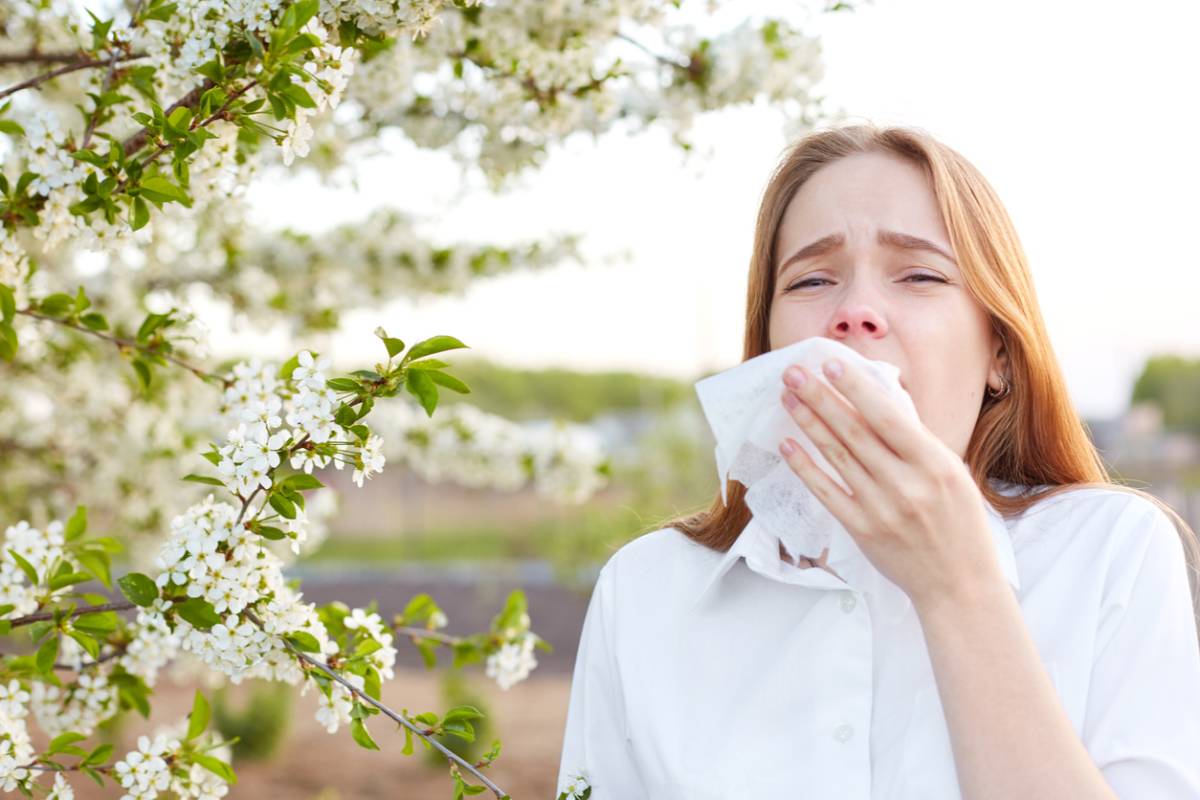
For millions of Southern Californians, allergy season never truly ends. According to the latest Allergy Capitals report from the Asthma and Allergy Foundation of America, Los Angeles ranks #82 among the 100 largest U.S. cities for seasonal allergies—a position considered “better than average,” but still challenging for residents sensitive to pollen and environmental irritants.
Health experts say the region’s mild climate allows plants to release pollen across multiple seasons, meaning allergy symptoms can linger nearly year-round.
“Southern California doesn’t have a traditional start and end to allergy season,” said specialists cited in research by the Asthma and Allergy Foundation of America. “Different types of pollen cycle throughout the year, so patients often experience waves of symptoms instead of a single peak.”
When Allergy Season Hits Los Angeles
Unlike colder regions where allergies peak in spring, Southern California experiences three overlapping pollen waves:
Winter–Spring (December–April): Tree pollen
Common triggers include oak, sycamore, cedar, and pine.
Spring–Summer (April–July): Grass pollen
Bermuda grass, ryegrass, and bluegrass release pollen that often triggers sneezing, itchy eyes, and congestion.
Late Summer–Fall (August–November): Weed pollen
Plants like sagebrush and ragweed are common culprits.
Year-round triggers also exist. Indoor allergens such as dust mites and mold spores can worsen symptoms, especially after rain or during humid conditions.
Allergies are more than a seasonal nuisance. The Centers for Disease Control and Prevention reports that allergic rhinitis affects more than 25% of adults in the United States, leading to missed workdays, school absences, and reduced quality of life.
For Latino families in Los Angeles—many of whom work outdoors in construction, landscaping, agriculture, and delivery services—exposure to pollen can be even higher.
What Doctors Recommend for Relief
The Asthma and Allergy Foundation of America recommends beginning treatment two weeks before symptoms typically appear.
Common over-the-counter options include:
Nasal corticosteroid sprays
Examples include Flonase, Nasacort, and Rhinocort. These reduce inflammation in nasal passages and are considered the most effective treatment for moderate symptoms.
Non-drowsy antihistamines
Doctors often recommend Zyrtec, Claritin, Allegra, and Xyzal for sneezing and itchy eyes.
Experts caution against long-term use of older antihistamines like Benadryl, which can cause strong drowsiness.
Small Habits That Make a Big Difference
Health specialists recommend several daily steps to reduce exposure:
• Check local pollen forecasts before outdoor activities
• Wear sunglasses and hats outside
• Shower and wash hair before bed to remove pollen
• Keep windows closed during high-pollen days
• Use HEPA air purifiers indoors
When to See an Allergy Specialist
If symptoms persist despite medication, allergists may recommend immunotherapy, commonly known as allergy shots, which gradually train the immune system to tolerate allergens.
In a region where warm weather keeps plants blooming most of the year, specialists say awareness and early treatment are the best defense.
“Understanding when allergens peak allows people to stay ahead of symptoms,” the Asthma and Allergy Foundation of America notes. “For many patients, prevention is the key to breathing easier.”