

Seeing Floating Spots in Your Vision? Doctors Say Don’t Ignore This

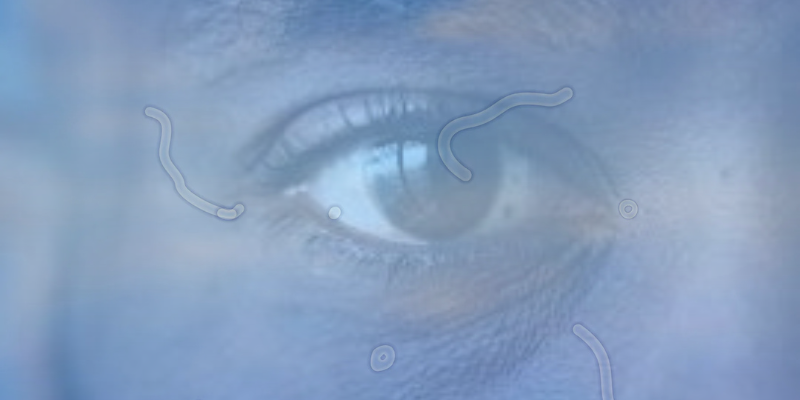
Many people suddenly notice small black dots, threads, or floating shapes drifting across their vision. These shapes—commonly called eye floaters and medically known as myodesopsia—often appear when looking at a bright background such as the sky, a white wall, or a phone screen.
In most cases, they are harmless. But eye specialists warn that certain changes in floaters can signal a potentially serious eye condition.
According to experts cited by the NHS and specialists from the Royal Australian and New Zealand College of Ophthalmologists, a sudden increase in floaters—especially when accompanied by flashes of light—requires immediate medical attention.
Ophthalmologist Daniel Polya explains that the most common cause is posterior vitreous detachment, a natural change that occurs as the eye ages.
“The vitreous gradually loses its structure over time and can separate from the retina. This creates tiny shadows that the brain perceives as floating spots or threads,” Polya explains.
Why Eye Floaters Appear
The inside of the eye is filled with a clear gel called the vitreous, made mostly of water and collagen fibers. As people age, these fibers can clump together and cast shadows on the retina.
According to the Mayo Clinic, floaters are especially common after age 50 but may appear earlier in people with:
-
high myopia (severe nearsightedness)
-
previous eye surgery
-
eye injuries
-
eye inflammation
In most cases, no treatment is needed, and the brain gradually adapts to the presence of these floating shapes.
Warning Signs That Should Not Be Ignored
However, eye specialists stress that certain symptoms could indicate more serious complications.
Dr. Polya notes that about 5% of cases involving floaters may be linked to a retinal tear, a condition that can lead to retinal detachment if left untreated.
Warning signs include:
-
a sudden increase in floaters
-
flashes of light in the vision
-
a dark curtain or shadow in the visual field
-
sudden blurred or partial loss of vision
These symptoms may signal a retinal tear or retinal detachment, both considered medical emergencies.
Why Early Diagnosis Matters
Ophthalmologists use tests such as a dilated retinal exam and optical coherence tomography (OCT) to determine whether floaters are benign or related to retinal damage.
When a retinal tear is detected early, treatments such as laser therapy or minor surgical procedures can often prevent permanent vision loss.
Experts also recommend protecting eye health by controlling conditions like diabetes and high blood pressure, preventing eye injuries, and scheduling regular eye exams.
While most eye floaters are harmless, doctors emphasize one key rule: any sudden change in vision should be evaluated by an eye specialist. Early diagnosis can mean the difference between a minor visual annoyance and permanent vision damage.