

Up to 90% of Vision Loss Can Be Prevented. Here’s What Actually Protects Your Eyes

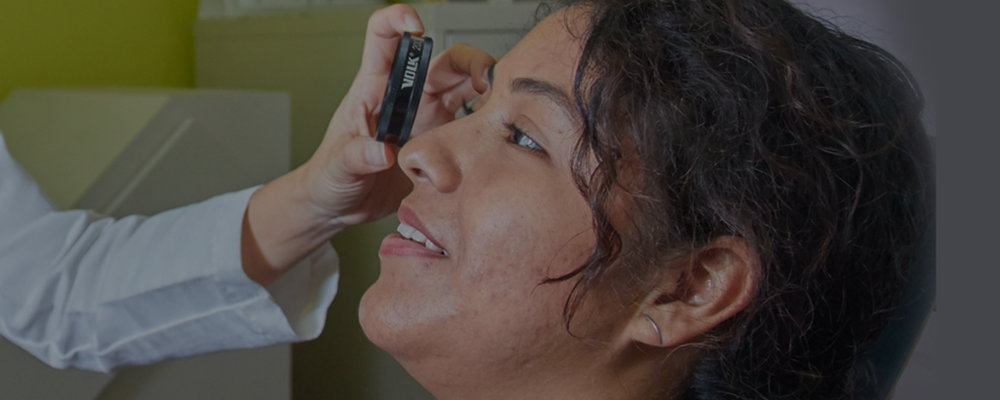
Vision loss is one of the most feared health conditions in the United States — yet experts say it is also one of the most preventable.
According to specialists cited by The Guardian, up to 9 out of 10 cases of visual impairment can be prevented or effectively treated if detected early. The message is not about miracle cures, but about consistency: regular eye exams, healthy lifestyle habits, and early detection.
Professor Lauren Ayton of the Centre for Eye Research Australia told The Guardian that many people underestimate how preventable blindness can be. “A significant proportion of vision loss is avoidable,” she explained, emphasizing routine eye care as a cornerstone of prevention.
Do Screens Actually Damage Your Eyes?
Concerns about smartphones and tablets harming eyesight are widespread. However, Professor Allison McKendrick of the Lions Eye Institute in Perth told The Guardian that “direct evidence that electronic devices permanently damage vision is quite weak.”
The real concern isn’t screen exposure itself — it’s what screens replace: time outdoors.
Childhood Myopia and the Power of Sunlight
Dr. Flora Hui, also of the Centre for Eye Research Australia, highlights that natural light plays a crucial role in healthy eye development. Global research shows that spending 1 to 2 hours outdoors daily can slow the progression of myopia (nearsightedness), a condition now affecting roughly one in three children and adolescents worldwide.
For families in dense urban areas — including many Latino communities in U.S. cities — outdoor access can be limited, making intentional outdoor time especially important.
What Cannot Be Prevented — But Can Be Treated
After age 45, presbyopia — difficulty focusing up close — is unavoidable. It’s a natural part of aging and cannot be reversed, but it is easily corrected with glasses. Wearing glasses does not weaken vision.
Cataracts, another age-related condition, are also highly treatable with modern surgical procedures.
More concerning are silent conditions like glaucoma and age-related macular degeneration, which often develop without early symptoms. By the time noticeable vision changes occur, damage may be permanent.
How Often Should You Get Checked?
The American Academy of Ophthalmology recommends comprehensive eye exams every 2 to 3 years for healthy adults, and more frequently after age 65 or for those with risk factors such as diabetes — a condition that disproportionately affects Latino adults in the U.S.
Avoid smoking, maintain a diet rich in leafy greens and fatty fish, stay active, and prioritize routine exams.
Protecting your vision isn’t complicated. It’s consistent. And in most cases, it’s within reach.